
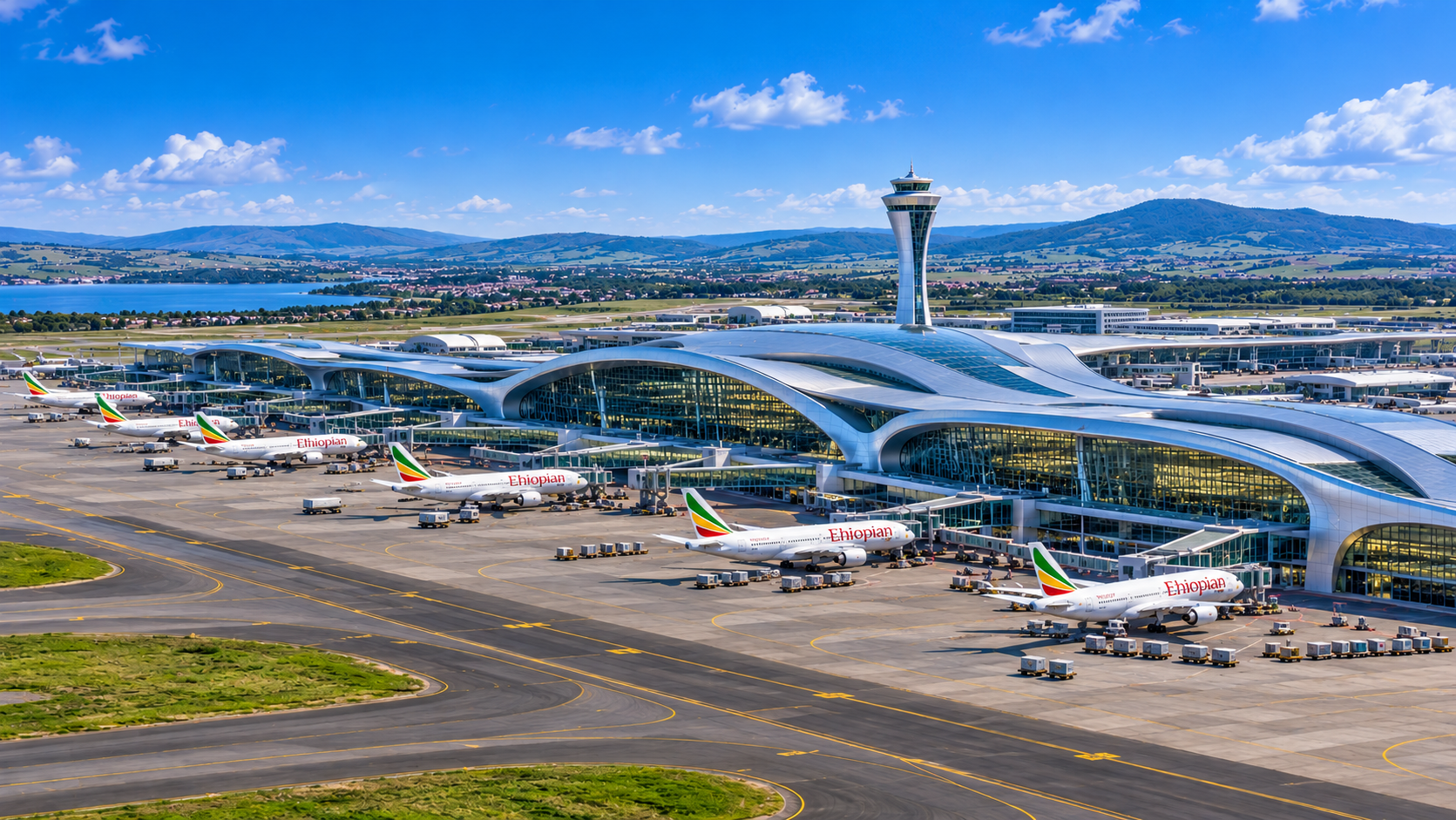
Ethiopia’s $12.5 Billion Bishoftu International Airport: Construction Begins on Africa’s Next Aviation Hub
Ethiopia is taking a major step toward changing the future of African aviation. The country has officially begun construction of Bishoftu International Airport, a large-scale infrastructure project expected to become one of the biggest airports in Africa.
The project is being developed by Ethiopian Airlines Group in partnership with the Ethiopian government. It is designed to support the airline's continued growth, improve international connections and strengthen Ethiopia's position as a major aviation hub.
With an estimated first-phase investment of $12.5 billion, the airport is more than just a new place for aircraft to land. It is part of a long-term plan to expand air travel, cargo transportation, tourism and international trade.
1. Construction Has Officially Started
The official groundbreaking ceremony for Bishoftu International Airport took place on January 10, 2026. Prime Minister Abiy Ahmed and Ethiopian Airlines officials attended the event, marking the beginning of the construction project.

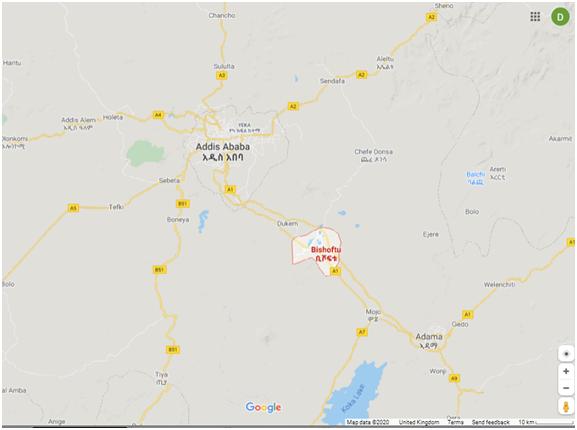
The airport is planned for an area near Bishoftu, approximately 40 kilometres southeast of Addis Ababa.
The project is intended to operate alongside Addis Ababa Bole International Airport rather than simply replace it. This approach will give Ethiopia additional airport capacity as passenger numbers and Ethiopian Airlines' international operations continue to grow.
It is important to distinguish the official groundbreaking from the completion of the airport: the project is still under development, and the first phase is targeted for completion by 2030.
2. How Big Will the New Airport Be?
One of the most impressive features of Bishoftu International Airport is its planned passenger capacity.
The development will take place in phases, allowing the airport to expand as demand grows.
| Feature | Planned capacity |
|---|---|
| First-phase passenger capacity | 60 million per year |
| Long-term passenger capacity | 110 million per year |
| Runways in the first phase | 2 |
| Runways when fully developed | 4 |
| Aircraft parking capacity at full development | Up to 270 aircraft |
| Estimated first-phase investment | $12.5 billion |
| Target for first-phase completion | 2030 |
These figures show the scale of the project. Once fully developed, the airport is expected to handle up to 110 million passengers every year.
That would give Ethiopia the infrastructure to compete for a much larger role in international aviation.
3. Why Does Ethiopia Need Another International Airport?
Addis Ababa Bole International Airport is an important gateway connecting Africa with destinations across the world. However, its capacity is becoming a concern as Ethiopian Airlines expands its passenger and cargo operations.
Ethiopian Airlines has developed an extensive international network, and more passengers are travelling through Addis Ababa to connect to other destinations.
A larger airport would help address several challenges:
-
Passenger growth: More terminal space and aircraft capacity would support increasing travel demand.
-
International connections: A larger hub could make it easier for passengers to connect between African cities and international destinations.
-
Cargo operations: Additional infrastructure could support the transportation of goods between Ethiopia, Africa and global markets.
-
Airline expansion: Ethiopian Airlines would have more room to grow its operations and introduce additional routes.
Rather than depending entirely on Bole International Airport, Ethiopia is developing a multi-airport strategy to support future demand.
4. What Will Make Bishoftu Airport Different?
The new airport is being designed as a modern international aviation hub, with a strong focus on connecting passengers.
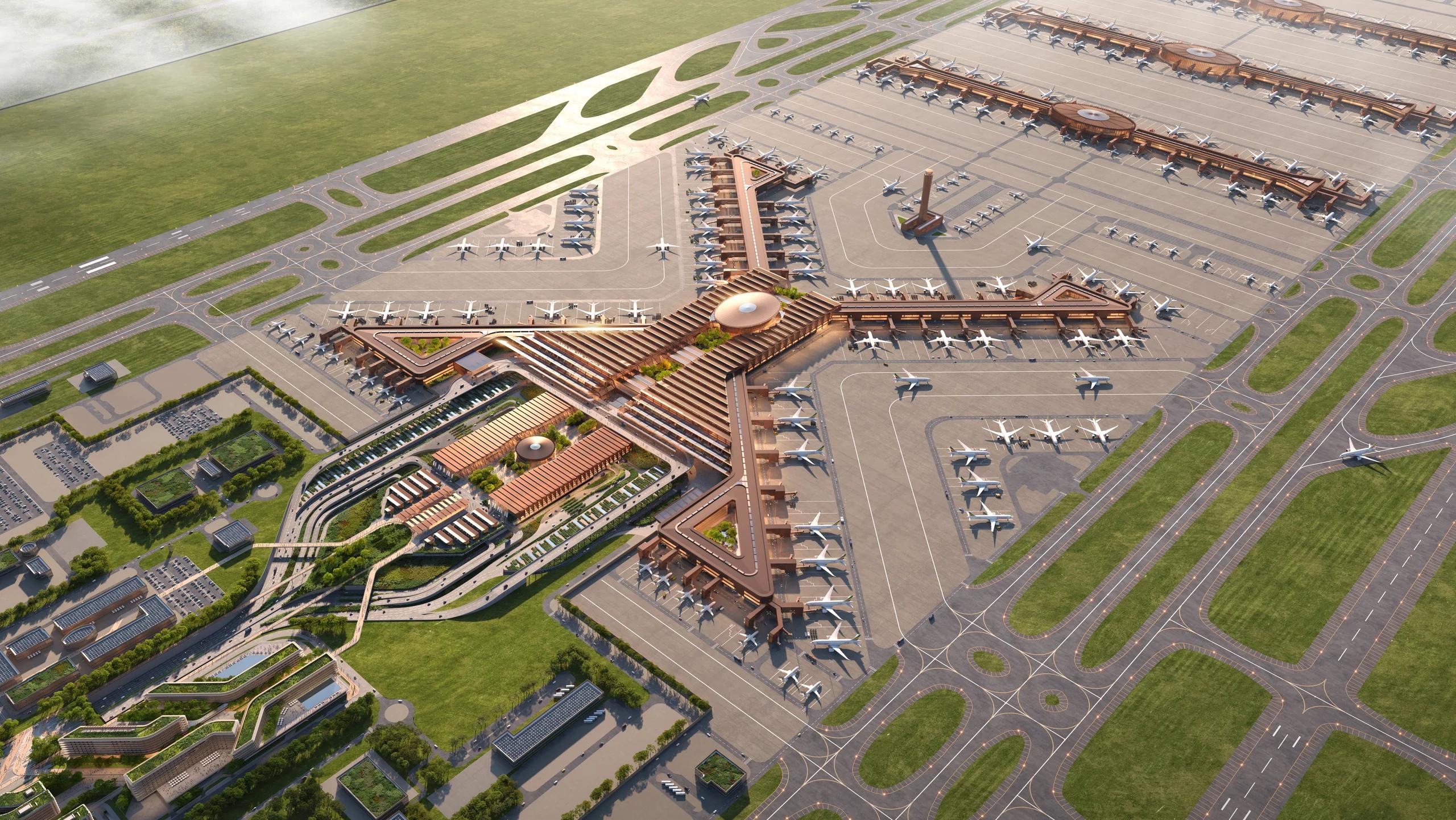
The airport's design is being developed by Zaha Hadid Architects. Its planned terminal design includes a central spine connecting different sections of the building and aircraft boarding areas.
The design is intended to make passenger transfers easier, particularly for travellers connecting between international flights.
Some of the planned features include:
-
A large passenger terminal.
-
Multiple runways.
-
Modern aircraft parking and ground-handling facilities.
-
Passenger amenities, including restaurants and relaxation areas.
-
An airside hotel planned with approximately 350 rooms.
-
Outdoor gardens and courtyards.
-
Infrastructure designed to support future expansion.
The first phase is planned to include two independently operating parallel runways and a terminal covering approximately 660,000 square metres.
The airport is also being designed with environmental considerations in mind, with a target of achieving LEED Gold certification.
5. How Will the Airport Be Financed?
A project of this size requires substantial financial resources.
The estimated investment for the first phase is approximately $12.5 billion.
According to Ethiopian Airlines' project information, the planned financing structure involves:
-
Ethiopian Airlines contributing around 30% of the project funding through equity.
-
The remaining 70% being raised through loans and other financing arrangements.
-
The African Development Bank serving as the initial mandated lead arranger for financing.
The remaining funding is expected to involve development finance institutions, export credit agencies and commercial lenders.
This financing structure is important because the project is too large to depend on a single source of funding.
However, raising and managing the required investment will remain one of the project's major challenges.
6. What Could This Mean for Ethiopia?
Bishoftu International Airport could have an impact beyond the aviation industry.
A major international airport can support economic activity in several ways.
More tourism opportunities
Improved international connections could make it easier for visitors to travel to Ethiopia. This could benefit hotels, restaurants, tour operators and other businesses connected to tourism.
More employment opportunities
The project requires workers and specialists across construction, engineering, airport operations, transportation, technology and maintenance. Additional jobs could also emerge as businesses develop around the airport.
Better international trade
Air cargo is important for transporting products that require fast delivery. Additional cargo infrastructure could support Ethiopian exporters and improve connections with international markets.
More opportunities for African connectivity
Ethiopia is already an important connection point for flights across Africa. A larger airport could help improve connections between African countries and international destinations.
However, these benefits will depend on successful construction, effective management and the development of supporting infrastructure.
7. What Challenges Could the Project Face?
Although the airport has enormous potential, completing a project of this scale will not be easy.
Financing: Securing the full investment will require substantial funding and coordination with international financial institutions and lenders.
Construction complexity: Building runways, terminals, aircraft parking areas, transport links and supporting facilities requires years of planning and engineering work.
Transport connections: Passengers and airport workers will need reliable road and public transport connections between Bishoftu, Addis Ababa and surrounding areas.
Environmental and community considerations: Large infrastructure projects can affect surrounding communities and the environment. Responsible planning, resettlement and long-term environmental management will be important.
Meeting the deadline: The first phase is expected to be completed by 2030. Delivering a project of this size on schedule will require careful coordination between the government, Ethiopian Airlines, contractors and financing partners.
8. When Will Bishoftu International Airport Open?
The first phase of Bishoftu International Airport is expected to be completed by 2030.
This phase is planned to accommodate up to 60 million passengers annually. Additional development stages will eventually increase the airport's capacity to 110 million passengers per year.
The airport is not yet open to passengers. The January 2026 groundbreaking marked the official start of the project, and further construction and development work will be needed before commercial flights can begin.
For now, the 2030 target is an important milestone to watch.
Final Thoughts
Bishoftu International Airport represents one of Ethiopia's most ambitious infrastructure projects.
Its planned capacity, investment and international ambitions could reshape the country's aviation industry and create new opportunities for tourism, trade and employment.
But the real test will be turning the ambitious design into a fully operational airport. Securing the necessary financing, completing construction and building reliable transport connections will all be essential.
If the project is successfully delivered, Bishoftu could become a major aviation gateway for Ethiopia and a significant connection point for Africa and the rest of the world.
The next few years will show whether Ethiopia can turn this ambitious airport project into one of the continent's most important aviation hubs.
Sources and further reading:


The conversation (0)
Different perspectives make better conversations. Keep it thoughtful.
Be the first to share a perspective.