
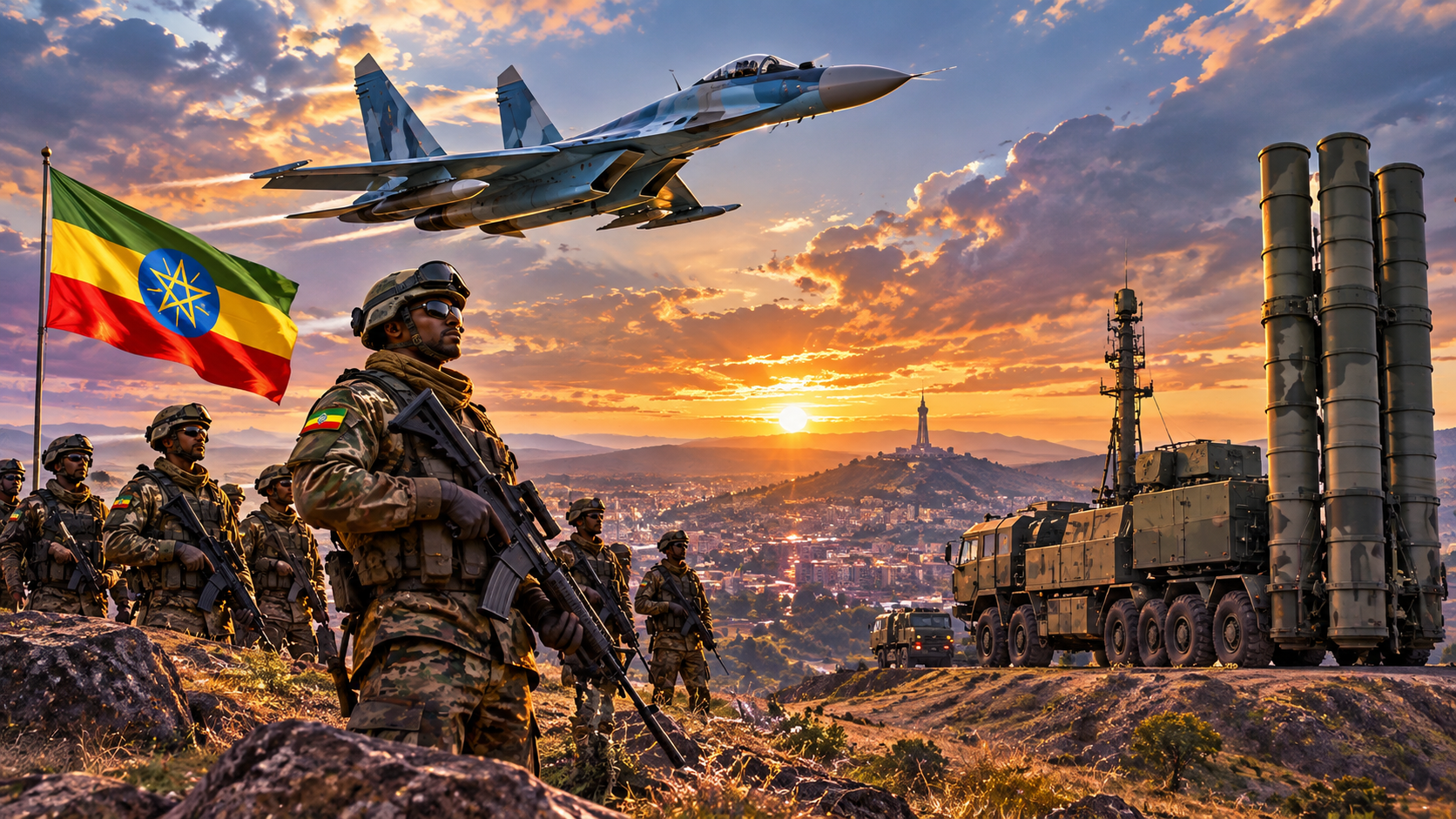
Ethiopia Receives Russian Su-35 Fighter Jets and Plans to Acquire Four S-400 Air Defence Systems
Ethiopia has taken a major step toward modernising its military capabilities after announcing the arrival of Russian-made Sukhoi Su-35 fighter jets. The country is also preparing to acquire four S-400 long-range air defence systems, strengthening its ambitions to become a more powerful military force in the Horn of Africa.
Ethiopia's New Su-35 Fighter Jets: What Happened?
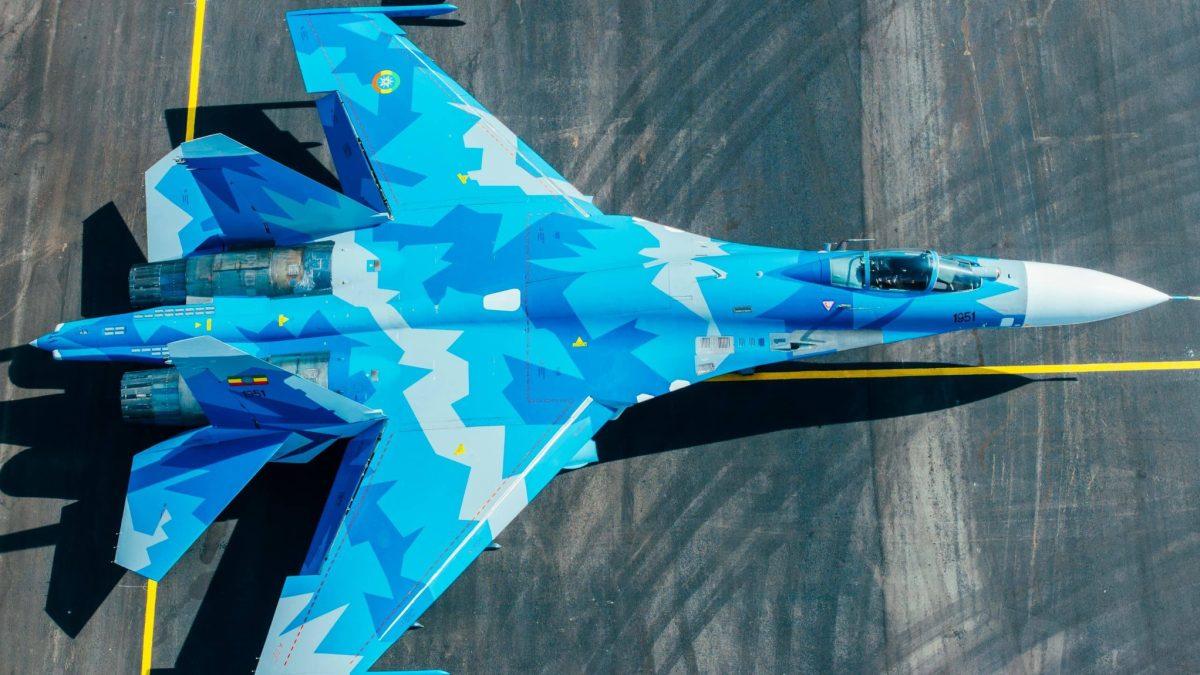
Ethiopia has officially announced the acquisition of Russian Su-35 fighter aircraft, marking a significant development in the country's military modernisation programme.
On October 28, 2026, Prime Minister Abiy Ahmed announced that Ethiopia had received its first batch of Su-35 fighters during his visit to Moscow for the Russia-Africa Summit.
According to the announcement, Ethiopia is acquiring a total of 12 Su-35 aircraft. Russia's state-owned arms exporter, Rosoboronexport, confirmed that the first two aircraft had been delivered to the Ethiopian Air Force.
The delivery reportedly arrived ahead of the original schedule, highlighting the growing military relationship between Addis Ababa and Moscow.
The acquisition represents a major upgrade for an Ethiopian Air Force that has historically relied on older Soviet-designed aircraft, including the Su-27.
What Makes the Russian Su-35 So Powerful?
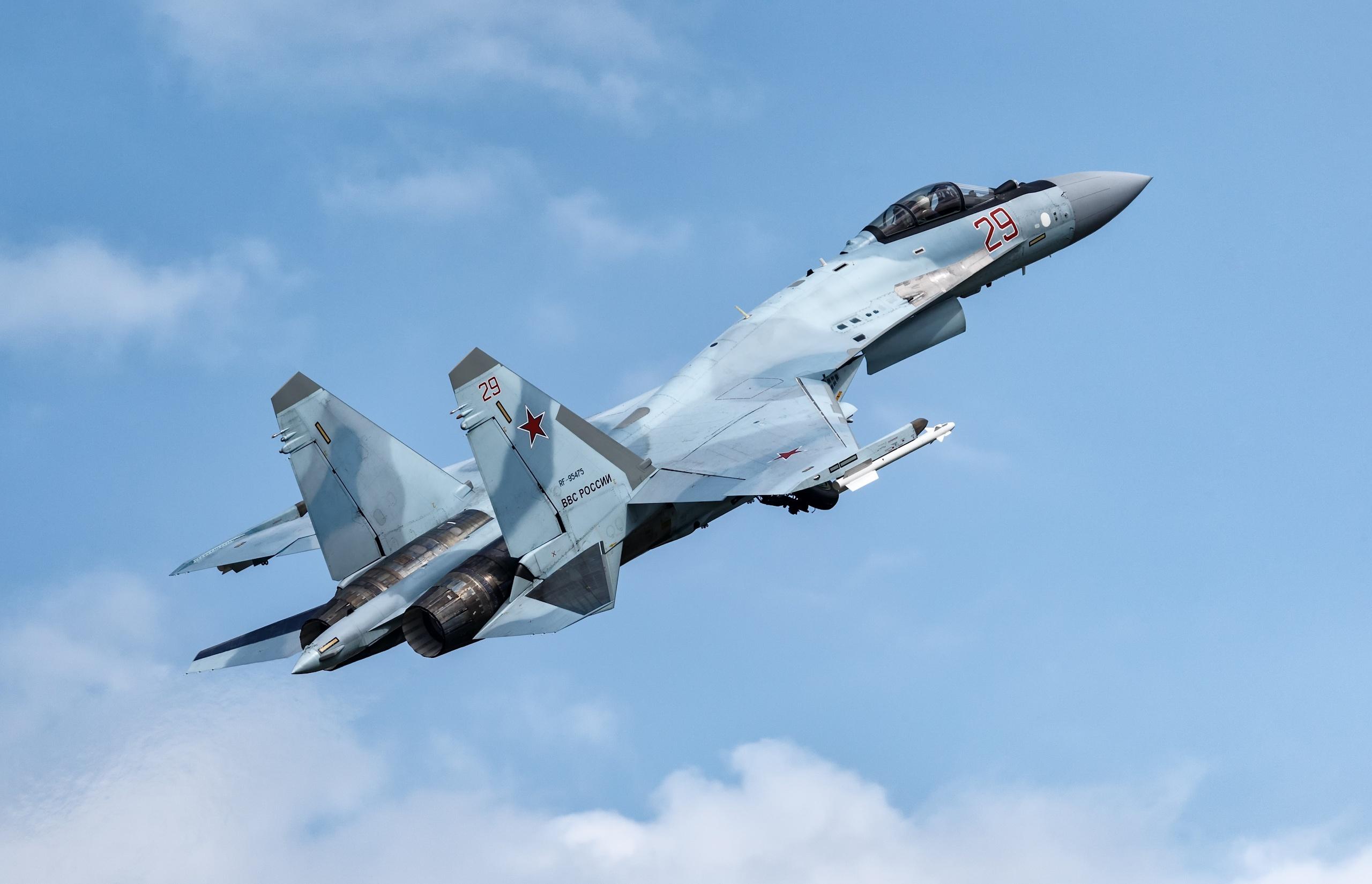
The Sukhoi Su-35 is a Russian fourth-generation-plus multirole fighter designed primarily for air superiority missions.
Developed as an advanced evolution of the Su-27, the aircraft combines powerful engines, advanced radar technology, long-range weapons capabilities and exceptional manoeuvrability.
Its major features include:
-
Advanced radar: The Irbis-E passive electronically scanned array radar provides long-range detection and tracking capabilities.
-
High manoeuvrability: Its thrust-vectoring engines allow exceptional control during demanding aerial manoeuvres.
-
Long operational range: The aircraft can conduct extended missions with suitable fuel and support arrangements.
-
Multirole capabilities: It can engage enemy aircraft and perform air-to-ground missions.
-
Advanced weapons: It can carry a variety of air-to-air and air-to-surface weapons.
For Ethiopia, these capabilities could significantly strengthen its ability to protect national airspace and conduct modern air operations.
Ethiopia's Planned Four Russian S-400 Air Defence Systems
The fighter jets are not the only major development.
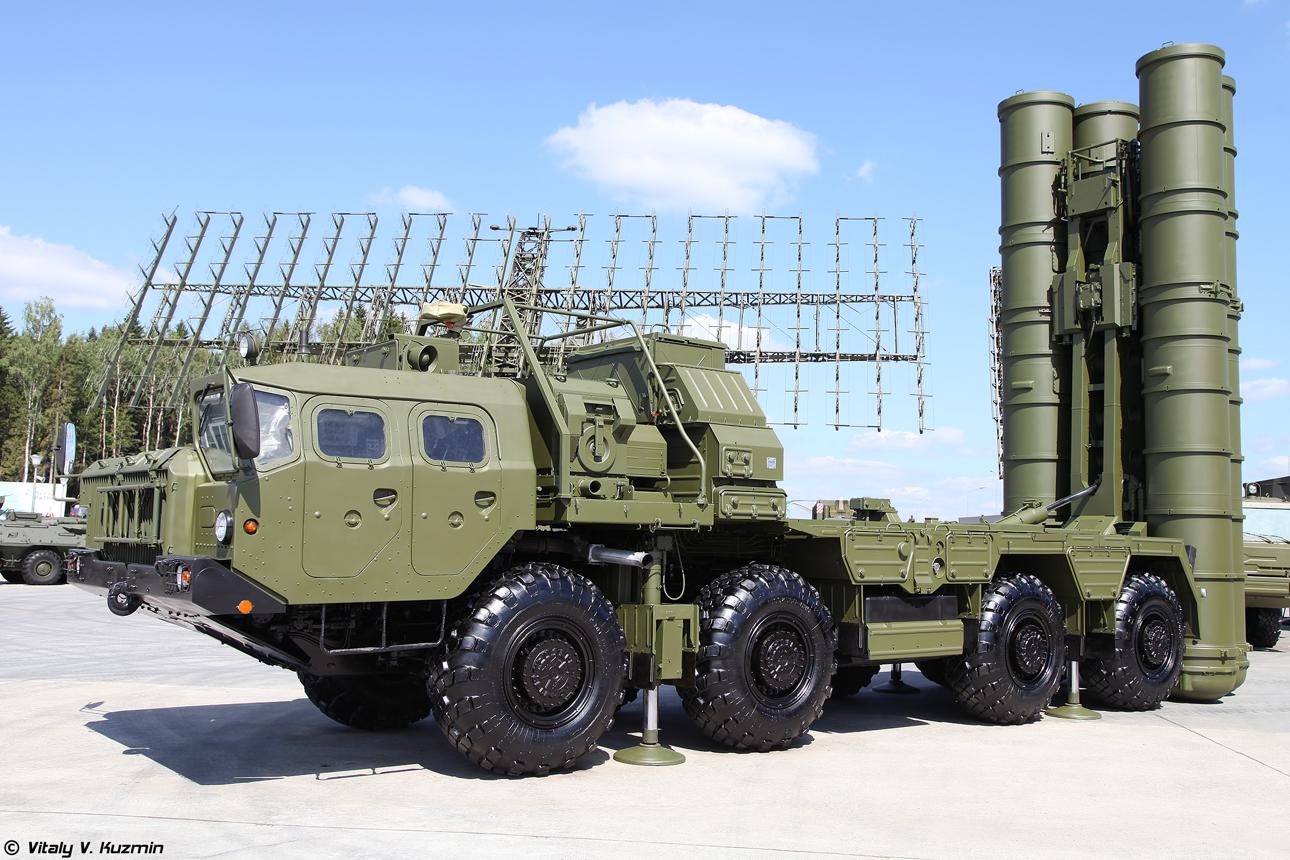
Prime Minister Abiy Ahmed also announced plans to acquire four Russian S-400 air defence batteries.
The S-400 Triumph is one of Russia's most advanced long-range surface-to-air missile systems. It was developed to detect, track and engage different aerial threats, including fighter aircraft, cruise missiles and certain ballistic missile targets.
Its main capabilities include:
-
Long-range air defence.
-
Multiple radar systems for target detection and tracking.
-
Engagement of multiple targets.
-
Different missile types designed for different engagement distances.
-
Protection of important military installations and strategic infrastructure.
The system could provide Ethiopia with a more sophisticated ground-based air defence network.
However, the four batteries have not yet been confirmed as delivered, and their deployment locations and delivery schedule remain undisclosed.
Why Ethiopia Wants the Su-35 and S-400 Together
The combination of advanced fighter aircraft and long-range ground-based air defence systems could create a more comprehensive national defence architecture.
The Su-35 would provide Ethiopia with a modern airborne combat platform, while the S-400 would strengthen its ground-based ability to detect and engage aerial threats.
Together, these systems could contribute to protecting important locations, military installations and critical infrastructure.
One potential strategic consideration is the protection of the Grand Ethiopian Renaissance Dam (GERD), which represents one of the country's most important infrastructure projects.
Nevertheless, the effectiveness of such a defence network would depend on radar integration, communications, trained personnel, maintenance and operational coordination.
What Does This Mean for the Horn of Africa?
Ethiopia's military modernisation could have significant implications for the regional security environment.
The country occupies a strategically important position in the Horn of Africa, sharing borders with Eritrea, Djibouti, Somalia, Kenya, South Sudan and Sudan.
Its acquisition of advanced fighter aircraft and planned long-range air defence systems could change regional military calculations.
The development also comes amid renewed tensions involving Eritrea and internal security challenges in northern Ethiopia.
However, the acquisition should not automatically be interpreted as preparation for a specific war. Ethiopia has publicly presented the equipment as part of its national security and deterrence strategy.
Russia and Ethiopia: A Growing Military Partnership
The agreement also highlights the continuing military relationship between Ethiopia and Russia.
The two countries signed a military cooperation agreement in July 2021, covering areas such as military training and technology cooperation.
Russia has maintained an important position in the African defence market, supplying aircraft, military equipment and other defence technologies to several countries.
For Moscow, closer cooperation with Ethiopia also represents an opportunity to strengthen its strategic relationships in East Africa.
For Addis Ababa, Russian equipment provides access to established military platforms that can complement its existing fleet and defence infrastructure.
Can Ethiopia Operate the Su-35 and S-400 Effectively?
Acquiring advanced military equipment is only one part of building a modern military.
Operating the Su-35 requires highly trained pilots, specialised ground crews, spare parts, maintenance facilities and a reliable supply of aircraft weapons.
The S-400 also requires extensive technical infrastructure, trained operators, radar coordination and long-term logistical support.
There are also financial considerations. Operating and maintaining advanced military systems can create significant long-term expenses beyond the initial purchase price.
Ethiopia will therefore need to invest in personnel, infrastructure and maintenance to realise the full potential of its new equipment.
Final Thoughts: A New Chapter for Ethiopia's Military Modernisation
Ethiopia's acquisition of Russian Su-35 fighter jets and its plan to obtain four S-400 air defence batteries represent an important development in the country's defence modernisation programme.
The 12-aircraft acquisition could give the Ethiopian Air Force a significant upgrade in aerial combat capabilities, while the planned S-400 systems could strengthen its long-range air defence.
However, the real impact will depend on how effectively Ethiopia integrates, operates and maintains these advanced systems.
For the Horn of Africa, the development marks another important moment in the changing regional security landscape.
Ethiopia is investing in a more modern military, and the arrival of the Su-35 could be one of the most significant milestones in that transformation.
Source references: Reuters, Jane's Defence, Al Jazeera and BBC News.

The conversation (0)
Different perspectives make better conversations. Keep it thoughtful.
Be the first to share a perspective.