
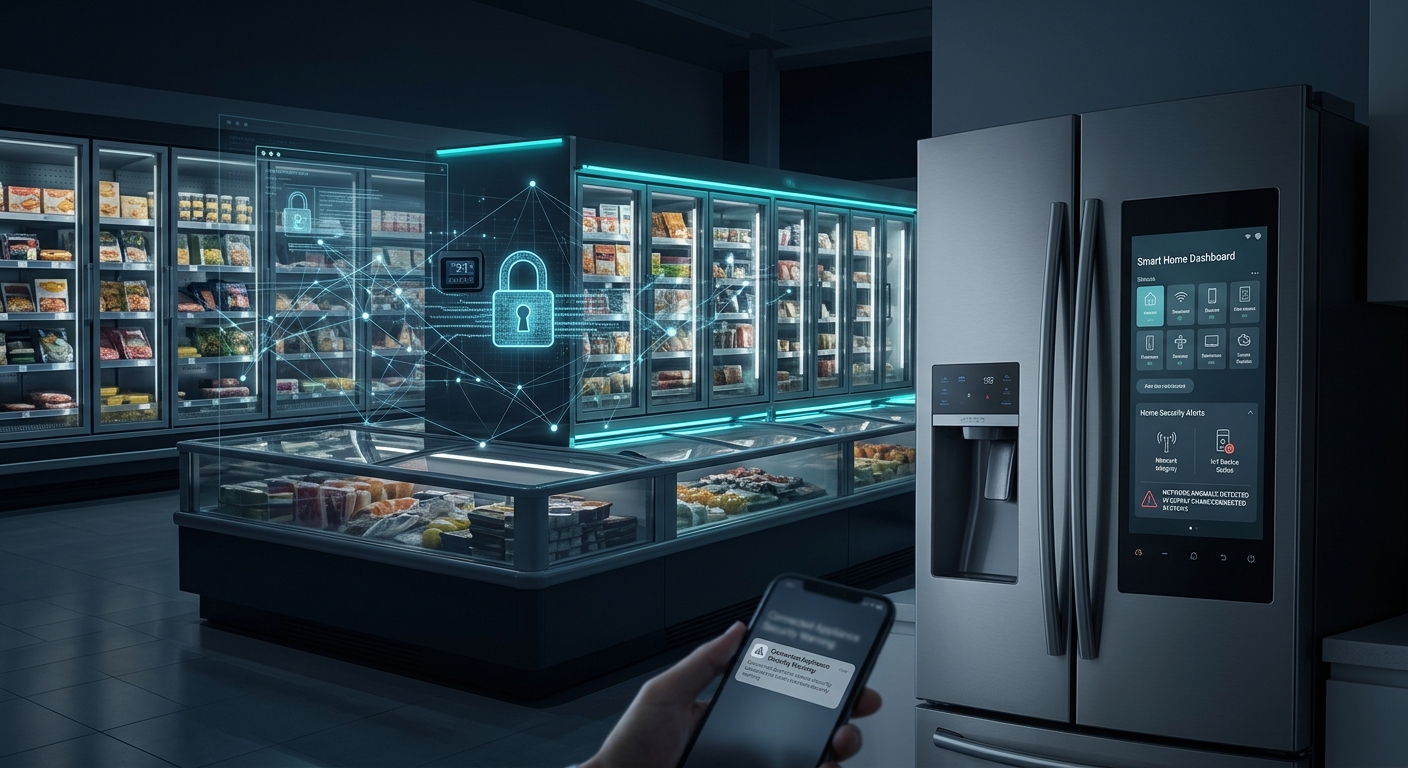
Europe's Supermarket Fridge Hacks: Can Hackers Take Control of Your Smart Fridge at Home?
Imagine arriving at a supermarket to find that its refrigerators and freezers are no longer keeping food cold. The temperature controls have been changed, food is at risk of spoiling, and staff are trying to understand what happened.
This is not just a hypothetical cybersecurity scenario. In October and November 2026, cyberattacks disrupted refrigeration systems at supermarkets in several European countries. The incidents exposed a surprising weakness: equipment designed to preserve food can become a cybersecurity target when it is connected to the internet.
But the story raises another question: if hackers can interfere with supermarket refrigeration systems, could they also hack the smart refrigerator inside an ordinary home?
The answer is yes, smart household appliances can have security vulnerabilities. However, commercial refrigeration systems and consumer smart refrigerators are different, and there is no evidence that the recent European supermarket attacks involved ordinary household fridges.
Here's what happened and what smart-fridge owners should know.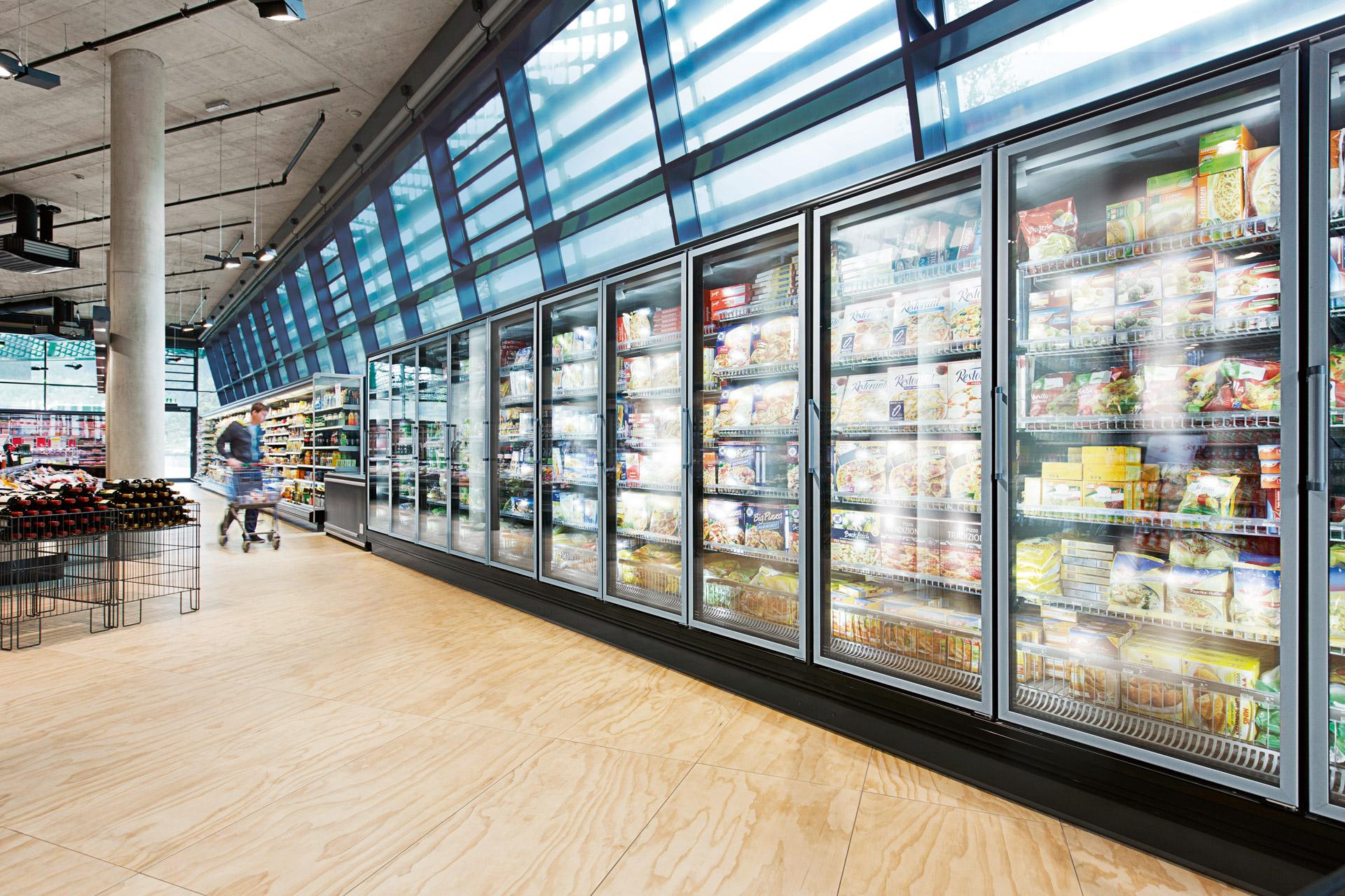
What Happened to Supermarket Refrigerators in Europe?
In October 2026, hundreds of French supermarkets experienced disruptions involving their refrigeration systems. Reports described refrigerators and freezers being manipulated remotely, with some units reportedly reaching temperatures as high as 50°C.
The consequences went beyond a technical problem. Food spoiled, retailers faced financial losses, and some stores reported fires.
The situation became more concerning on November 2, when another wave of incidents affected supermarket refrigeration systems in multiple European countries.
Retailers in countries including Belgium, Sweden, Ireland, Finland, Estonia, Luxembourg and the Netherlands reported problems. Some stores had to remove chilled and frozen products from sale as a precaution.
Reuters and the Associated Press reported that the incidents were being investigated as cyberattacks.
However, investigators have not publicly established that every incident used the same attack method or was carried out by the same group. No confirmed attribution should be assumed.
How Did Hackers Get Into Supermarket Refrigeration Systems?
To understand these attacks, it helps to know that modern supermarket refrigeration systems are not simply refrigerators with a power switch.
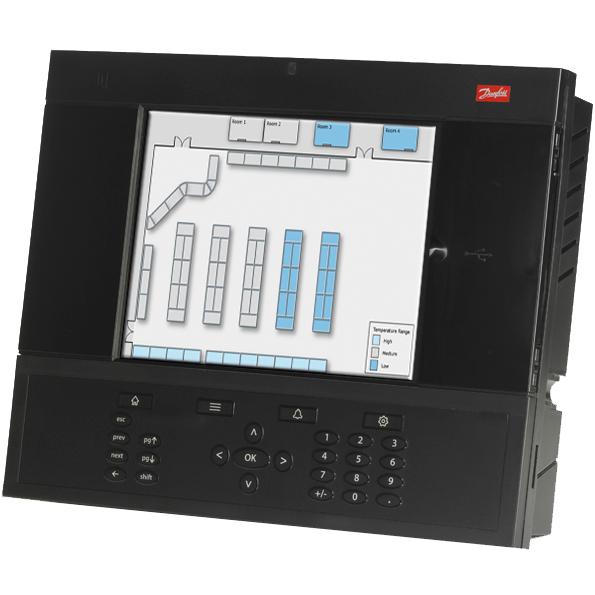
Large stores use computerized refrigeration controllers to monitor and manage multiple cooling units. These systems can control:
-
Refrigerator and freezer temperatures
-
Cooling schedules
-
Automatic defrost cycles
-
Temperature alarms
-
Remote monitoring and maintenance
Connecting these systems to the internet makes life easier for supermarket operators and maintenance companies. A technician can monitor equipment or adjust settings remotely instead of visiting every store.
But this convenience also creates a potential security weakness.
If a management interface is exposed directly to the internet or protected by weak credentials, an attacker may be able to gain unauthorized access.
Security researchers have identified several risks affecting commercial refrigeration equipment, including outdated firmware, known software vulnerabilities, weak authentication and internet-exposed management interfaces.
In October 2026, cybersecurity researchers at Forescout reported finding nearly 13,000 exposed refrigeration management services across 99 countries and territories.
The research also identified outdated firmware among many observed Danfoss StoreView services.
It is important to understand that an exposed service is not automatically a hacked device. The research demonstrates a security risk, not that all those systems were compromised.
Reports about the European incidents have discussed outdated refrigeration controllers and insecure remote access. However, the exact entry method for every affected supermarket has not been publicly confirmed.
What Can Hackers Do Once They Access a Refrigeration Controller?
The danger is that attackers may be able to misuse functions that were originally designed for legitimate maintenance.
For example, if an attacker gains sufficient control over a refrigeration management system, they could potentially:
Change temperature settings: A freezer could be instructed to operate at an unsafe temperature.
Interfere with defrost schedules: Incorrect settings could prevent equipment from cooling normally.
Disable or manipulate alarms: Staff might not receive the warnings they need to identify a problem quickly.
Disrupt business operations: A supermarket could lose large quantities of food, face financial losses and temporarily close affected areas.
This is an example of operational technology (OT) security. Unlike a typical attack that steals information from a website, an OT attack can affect equipment in the physical world.
The same general concern applies to connected systems used in factories, hospitals, water facilities and other essential services.
Can Someone Hack a Normal Household Smart Fridge?
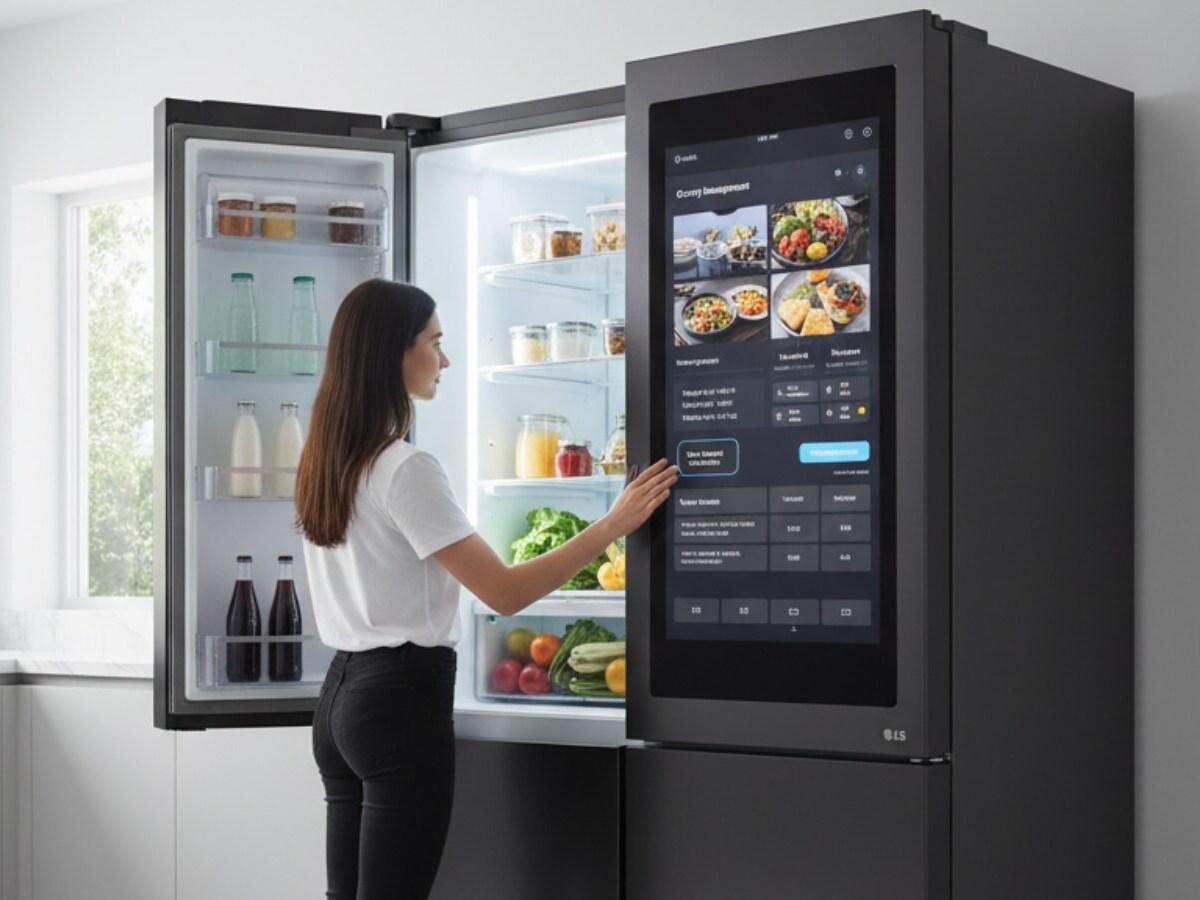
Yes. A household smart refrigerator can be hacked if it contains a security weakness or if an attacker gains access to the account, network or software that controls its connected features.
Modern smart refrigerators may connect to home Wi-Fi and use mobile applications, cloud accounts, cameras, touchscreens, voice assistants and other connected services.
These features make appliances more convenient, but they also introduce additional software and internet connections that need protection.
A smart fridge is effectively another internet-connected computer inside your home.
How Could a Household Smart Fridge Be Hacked?
There are several possible attack paths.
1. Weak or reused passwords
Some smart refrigerators are connected to an online account or mobile application. If someone uses a weak password or reuses a password exposed in another data breach, an attacker may be able to access the account.
Depending on the manufacturer's features, this could expose information or allow access to connected functions.
2. Vulnerabilities in the fridge's software
Smart appliances use firmware and software just like computers and smartphones.
If manufacturers discover security problems, they may release updates to fix them. A device that no longer receives security updates can remain vulnerable to known weaknesses.
3. Insecure home Wi-Fi
Your refrigerator usually connects to the internet through your home router.
If your Wi-Fi network uses a weak password, outdated encryption or an insecure router configuration, an attacker who gains access to the network may have opportunities to target connected devices.
4. Vulnerabilities in mobile applications or cloud accounts
A smart fridge may depend on an application or a manufacturer's online service.
A weakness in an application, account security or cloud service could expose information or connected features.
These are possible attack paths. They do not mean that every smart refrigerator has these vulnerabilities.
What Could a Hacker Actually Do to Your Smart Fridge?
The consequences depend on the refrigerator's manufacturer, model, software and connected features.
Here are some realistic possibilities:
Access information: An attacker might access information associated with a compromised account, such as device details or personal information stored in the service.
Access connected features: Depending on the model, an attacker might interfere with certain app-controlled functions or settings.
Abuse connected cameras or microphones: If a particular appliance includes these features and an attacker successfully compromises the relevant access controls, privacy could be affected. This is a potential risk, not evidence that ordinary smart fridges are routinely being used to spy on people.
Use the device as part of a larger attack: Some compromised internet-connected devices can be recruited into botnets. These networks of compromised devices may be used to send malicious traffic or conduct distributed denial-of-service attacks.
Gain another route into a home network: A vulnerable connected appliance could potentially become an entry point for further attacks, depending on how the home network is configured.
One important clarification: hacking a smart fridge does not automatically mean an attacker can change its physical cooling temperature. That depends on whether the specific model exposes those controls and whether the attacker can access them.
How to Protect Your Household Smart Fridge
You do not need to stop using smart appliances. You just need to treat them as connected devices that require basic security.
Here are practical steps you can follow.
1. Change Default Passwords
Never rely on a default password supplied with an appliance or its online account.
Create a strong, unique password for the manufacturer's account and any device-management interface.
Avoid reusing your email, social media or banking passwords.
2. Keep the Fridge Software Updated
Check whether your refrigerator has firmware or software updates.
Install updates from the manufacturer's official application or support website.
If automatic updates are available, enable them.
Updates can fix security vulnerabilities as well as improve functionality.
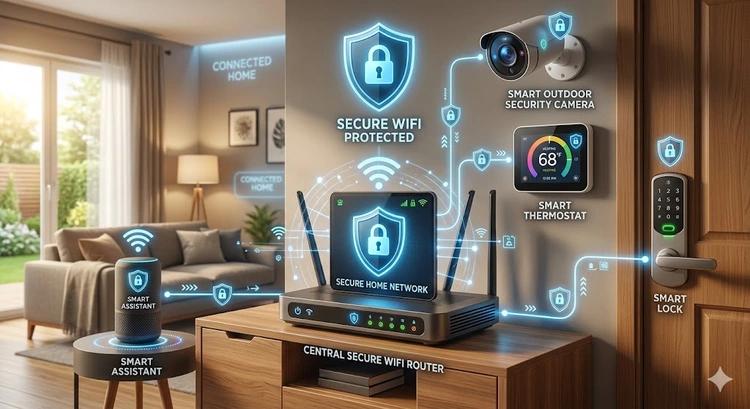
3. Secure Your Home Wi-Fi Router
Your router is an important part of your smart-home security.
-
Change the router's default administrator password.
-
Use WPA2-AES or WPA3 Wi-Fi security where supported.
-
Choose a strong Wi-Fi password.
-
Install router firmware updates.
-
Disable remote administration if you do not need it.
A compromised router can put more than your refrigerator at risk.
4. Use a Separate Network for Smart Devices
If your router supports a guest network or IoT network, consider connecting smart appliances to it instead of placing everything on the same network as your personal computers.
This can help limit the damage if one connected device is compromised.
Make sure the separate network is configured so it does not provide unnecessary access to your personal devices.
5. Enable Two-Factor Authentication
If the manufacturer's application or online account supports two-factor authentication (2FA), enable it.
This adds another security step beyond your password and makes unauthorized account access more difficult.
6. Disable Features You Do Not Use
Some smart appliances offer remote access, voice assistants, cameras and other connected services.
If you do not use a particular feature, consider disabling it.
Fewer unnecessary connections can mean fewer opportunities for attackers.
7. Check How Long Your Fridge Receives Security Updates
Before buying a smart refrigerator, check the manufacturer's security support policy.
Ask:
-
How long will this model receive software updates?
-
Can updates be installed automatically?
-
Does the manufacturer provide security notices?
-
What happens when the appliance reaches the end of its support period?
A smart appliance that no longer receives security updates may become harder to protect over time.
What Should You Do If You Suspect Your Smart Fridge Has Been Hacked?
If your refrigerator behaves strangely, do not immediately assume it has been hacked. A technical fault, sensor problem or power issue may produce similar symptoms.
However, if you notice suspicious account activity, unexpected settings changes or unauthorized access alerts, take the following steps:
-
Use the manufacturer's official application or website to check the account and connected-device activity, if available.
-
Change the manufacturer's account password from a trusted device.
-
Enable two-factor authentication.
-
Check for and install available firmware updates.
-
Disconnect the appliance from Wi-Fi temporarily if you suspect unauthorized access, provided doing so will not interfere with food safety or necessary cooling controls.
-
Contact the manufacturer's official support team for assistance.
-
Follow the manufacturer's instructions if a factory reset is recommended.
If the refrigerator is not cooling correctly, protect your food and follow local food-safety guidance. Do not assume a cybersecurity reset will solve a mechanical refrigeration problem.
The Bigger Lesson: Everyday Appliances Are Becoming Cybersecurity Targets
The European supermarket incidents show why cybersecurity is no longer just about computers, smartphones and websites.
As more physical equipment connects to the internet, software security becomes part of everyday safety and business continuity.
A supermarket refrigeration controller can affect thousands of products. A poorly secured industrial system can disrupt operations. A vulnerable household appliance can expose personal information or become another weak point in a home network.
The lesson is not that everyone should be afraid of smart refrigerators.
It is that connected devices need the same basic security attention as computers and smartphones: strong passwords, regular updates, secure networks and responsible remote access.
The next time you buy a smart appliance, do not look only at its screen size, camera quality or features. Ask how long it will receive security updates and how well the manufacturer protects it.
Because even a refrigerator needs cybersecurity when it connects to the internet.
Sources and further reading
-
Reuters: European supermarkets rush to patch vulnerabilities after region-wide fridge hack.
-
Associated Press: European supermarket fridges got hacked. Again. Here's what to know.
-
Euronews: Supermarket hacks across Europe: why are fridges connected to the internet?
-
UK National Cyber Security Centre: Smart devices — using them safely in your home.
-
US Federal Trade Commission: Securing your internet-connected devices at home.
The conversation (0)
Different perspectives make better conversations. Keep it thoughtful.
Be the first to share a perspective.