
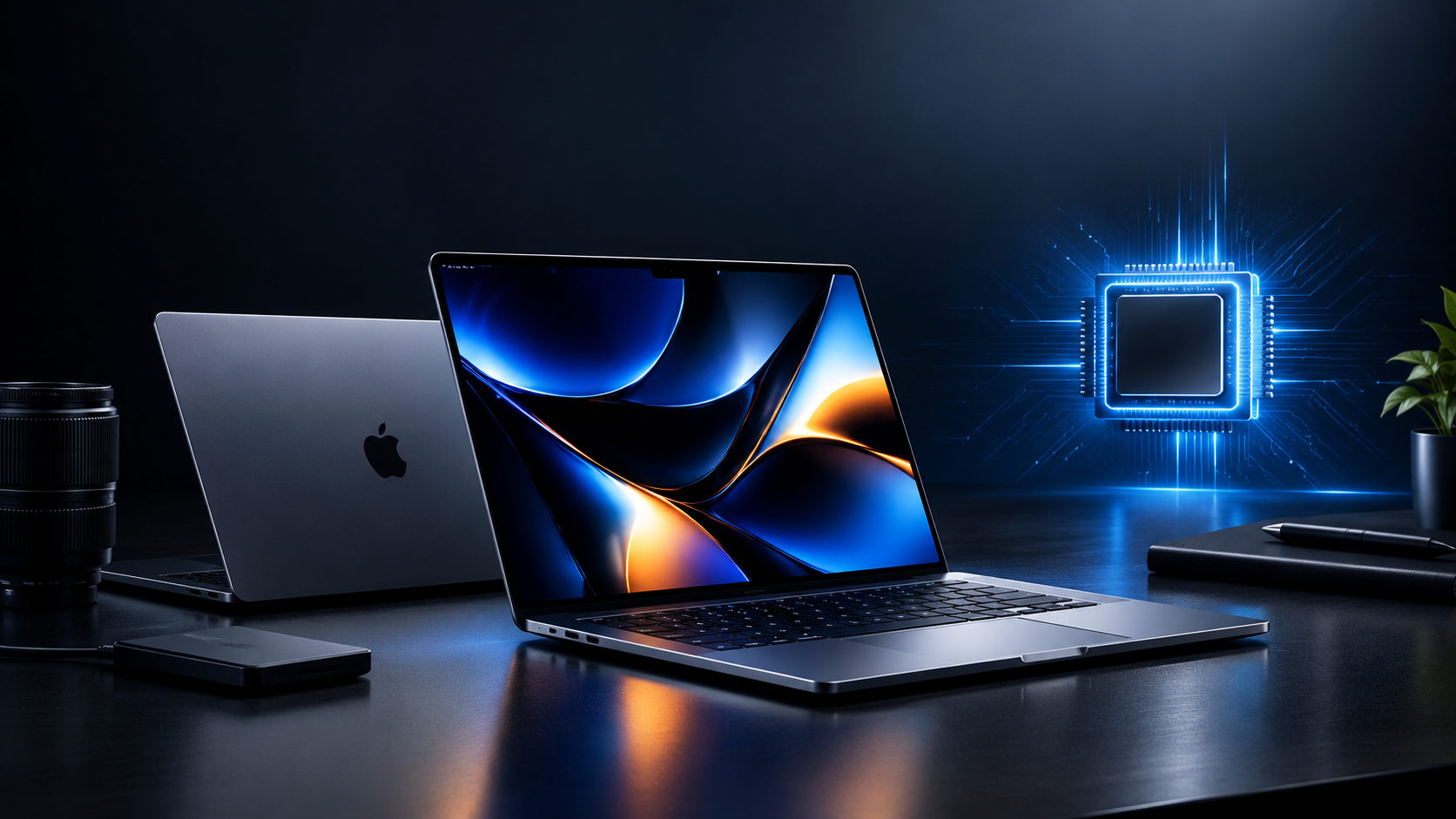
Apple's New MacBook Pro 2026: What's New?
Apple's MacBook Pro lineup has received some of its biggest updates in recent years. In October 2026, Apple announced a new 14-inch MacBook Pro powered by its M6 chip, alongside redesigned 14-inch and 16-inch models featuring M5 Pro and M5 Max processors.
The announcements bring several important changes to Apple's professional laptop lineup. These include improved processing performance, stronger AI capabilities, new display technology, and additional ways to interact with macOS.
The redesigned professional models also introduce something many Mac users have been waiting for: touchscreen support.
But what exactly has changed, and which new MacBook Pro should you consider?
Let's explore the latest models.
1. Two New MacBook Pro Releases in October 2026
Apple's October announcements cover two different MacBook Pro product lines.
The first is the 14-inch MacBook Pro with the M6 chip. It is aimed at users who want powerful performance in a relatively portable laptop.
The second is the redesigned MacBook Pro with M5 Pro and M5 Max processors. Available in 14-inch and 16-inch versions, this model introduces a tandem OLED display, touch interaction, and additional professional features.
Here is a quick comparison:
| Feature | 14-inch MacBook Pro M6 | MacBook Pro M5 Pro/M5 Max |
|---|---|---|
| Screen sizes | 14 inches | 14 and 16 inches |
| Processor | M6 | M5 Pro or M5 Max |
| Display | Liquid Retina XDR | PROLED XDR tandem OLED |
| Touchscreen | Not announced | Yes |
| Maximum battery life | Up to 24 hours | Up to 24 hours, depending on configuration |
| Wireless connectivity | Wi-Fi 7, Bluetooth 6 | Wi-Fi 7, Bluetooth 6 |
| Target users | Students, professionals, creators | Advanced creators and professional users |
| Starting US price | $1,999 | $2,899 for 14-inch M5 Pro |
These prices are Apple's announced US starting prices, not guaranteed international retail prices. The final cost depends on configuration, taxes, retailer, and country.
2. The New M6 Chip: More Power for Everyday Work
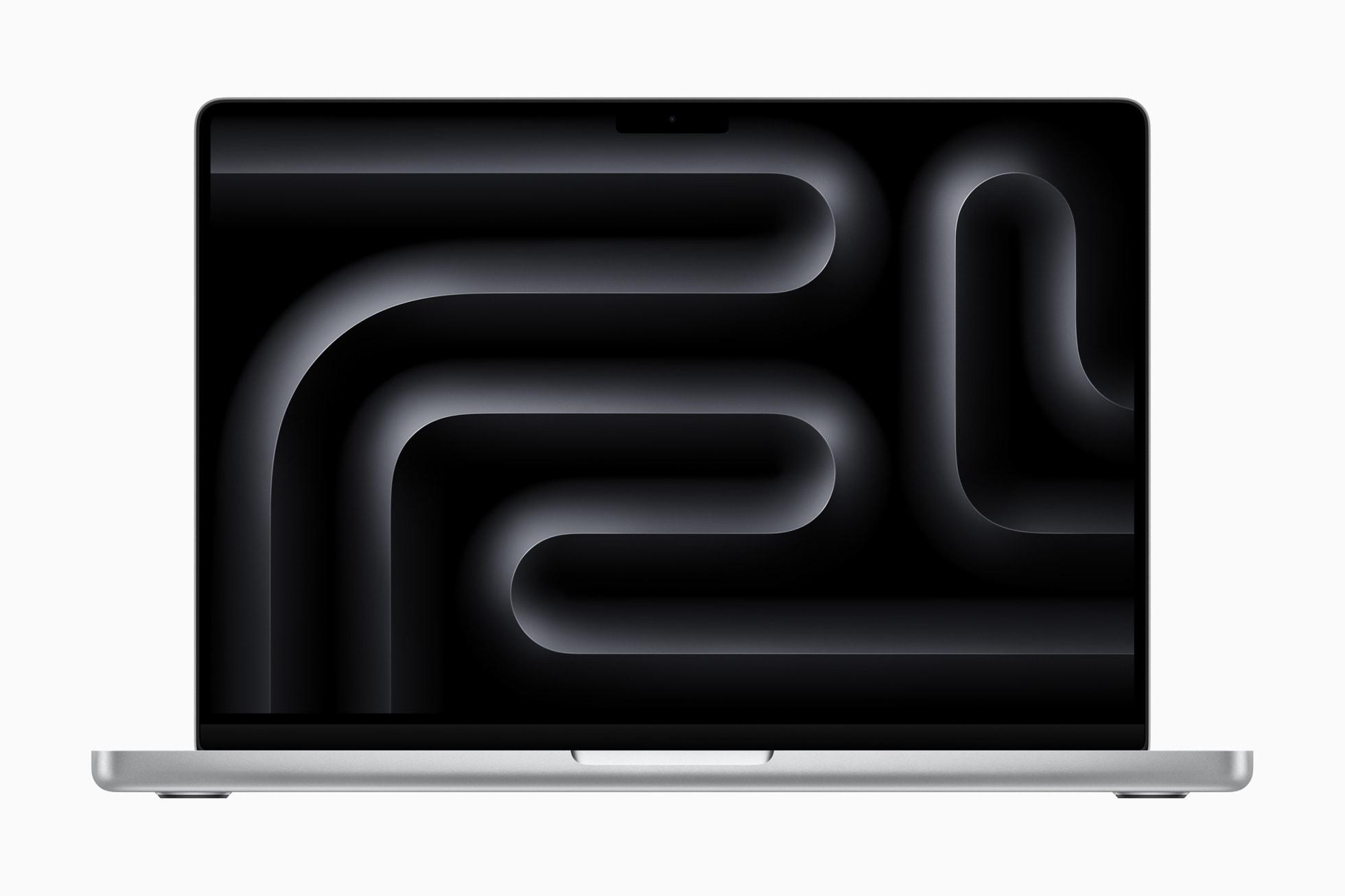
One of the biggest highlights of the new 14-inch MacBook Pro is Apple's M6 processor.
The M6 features a 12-core CPU and a 12-core GPU. Apple says the new GPU delivers up to 30% faster graphics performance compared with the previous M5 model.
The chip also includes a Dual 16-core Neural Engine and Neural Accelerators in its GPU cores, designed to improve AI-related workloads.
What does this mean in everyday use?
Users can expect the M6 model to handle demanding tasks such as:
-
Running multiple applications simultaneously.
-
Editing high-resolution photos and videos.
-
Compiling software and building applications.
-
Working with 3D models and graphics.
-
Running supported AI tools locally.
-
Handling large files and demanding creative projects.
The M6 MacBook Pro also starts with 16GB of unified memory and can be configured with up to 32GB.
It is worth remembering that Apple's performance figures come from its own testing. Actual results will depend on the applications, workload, and configuration being used.
3. Apple Introduces a MacBook Pro Touchscreen
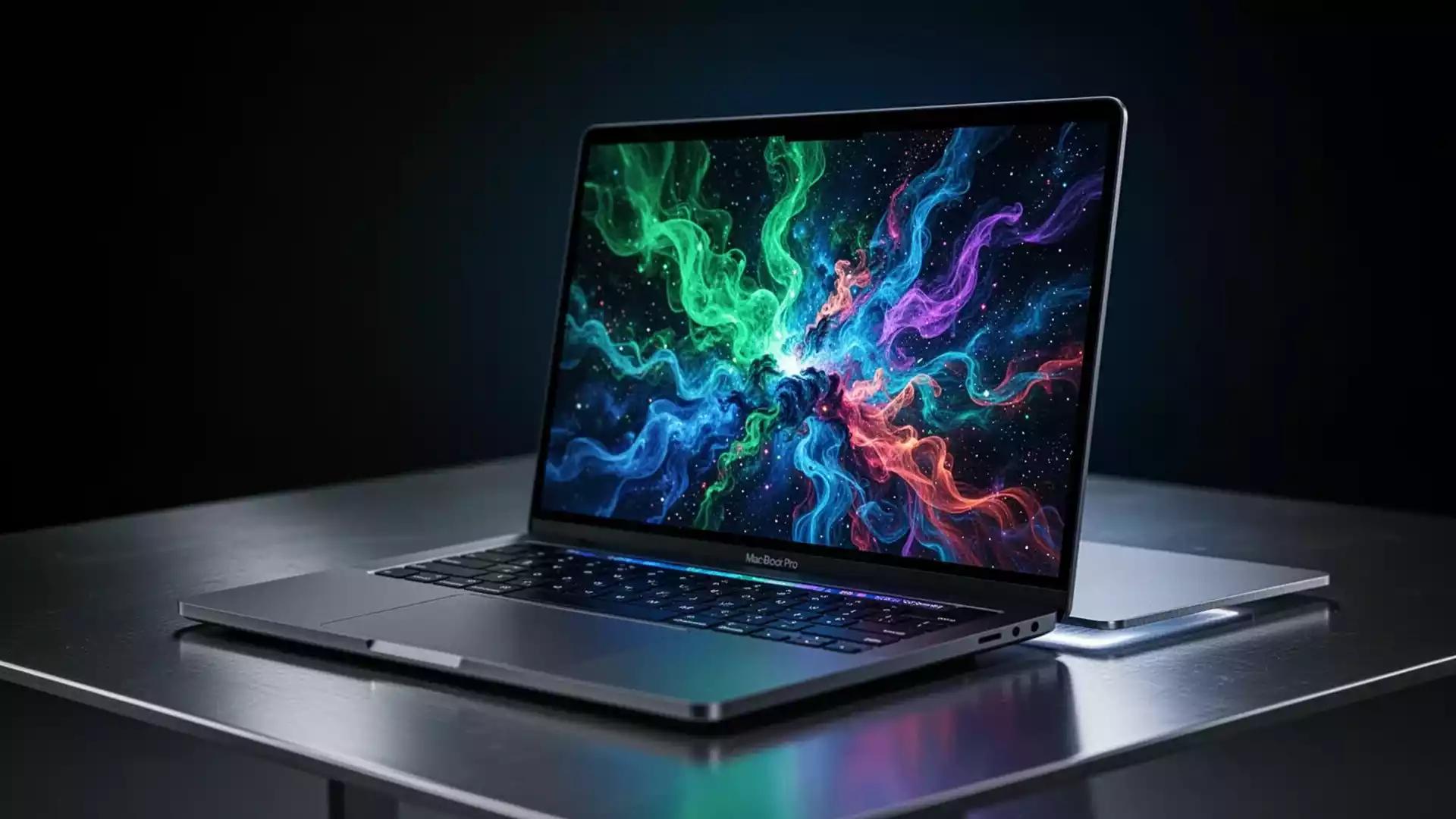
Perhaps the most attention-grabbing change is the touchscreen on the redesigned MacBook Pro with PROLED XDR.
For years, Apple's MacBook computers have relied primarily on the keyboard, trackpad, and external pointing devices for interaction.
The new model changes that approach by introducing touch capabilities directly into the MacBook Pro display.
This could be particularly useful for:
-
Editing video timelines.
-
Selecting and manipulating objects in design applications.
-
Working with photographs and graphics.
-
Interacting with supported creative software.
-
Playing virtual instruments and using touch-based controls.
Apple says applications such as Final Cut Pro, Logic Pro, and Pixelmator Pro can take advantage of the new touch experience.
However, the touchscreen does not mean the traditional MacBook controls are disappearing. The keyboard and trackpad remain important parts of the experience.
For professional users, the interesting question is how effectively developers will adapt their applications to the new touch interface.
4. A New Tandem OLED Display
The redesigned MacBook Pro introduces Apple's PROLED XDR display, which uses tandem OLED technology.
This is one of the most significant hardware changes in the new professional lineup.
According to Apple, the display offers:
-
Up to 2,000 nits of peak HDR and SDR brightness.
-
A 10,000,000:1 contrast ratio.
-
Adaptive refresh rates up to 120Hz.
-
Support for P3 and Adobe RGB color spaces.
-
Improved color accuracy for professional workflows.
OLED technology can produce deep blacks because individual pixels generate their own light. This can make dark scenes look more detailed and improve perceived contrast.
For photographers, video editors, designers, and colorists, the expanded color support could be particularly valuable.
The display is designed for professional work where accurate color reproduction matters.
5. M5 Pro and M5 Max: Built for Professional Workloads
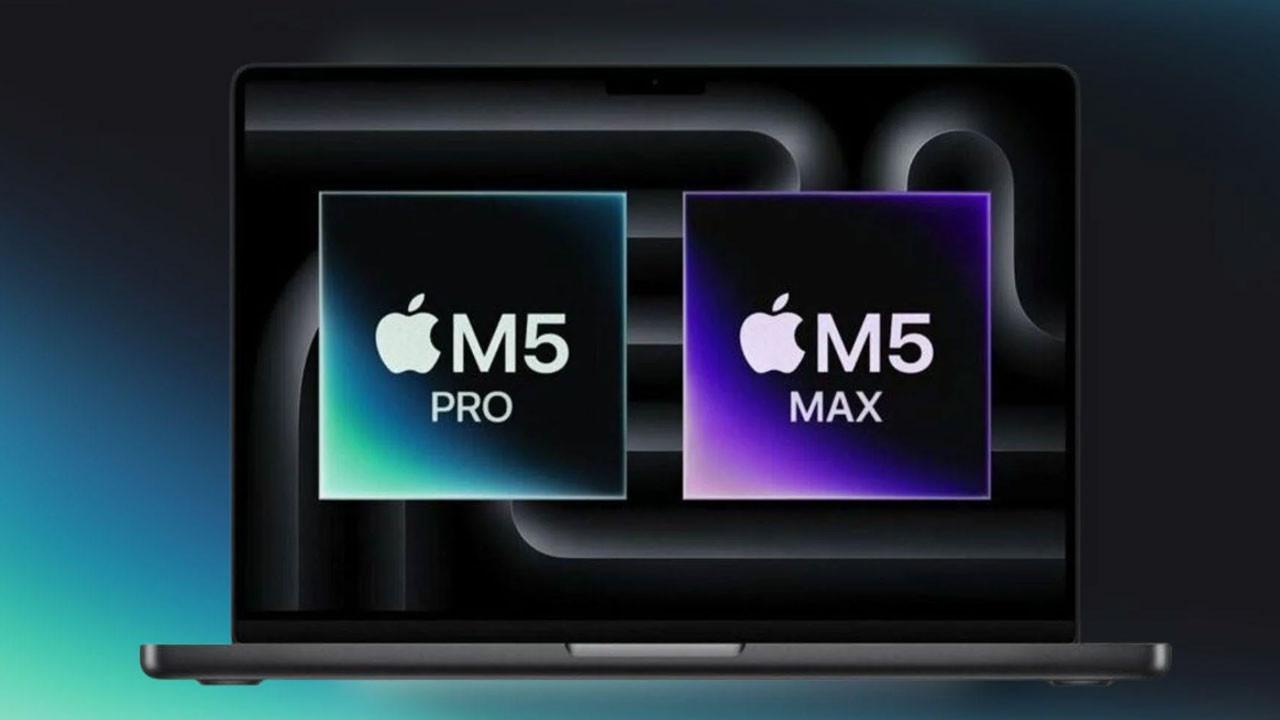
While the M6 model is designed to deliver strong performance for a broad range of users, the redesigned MacBook Pro lineup offers M5 Pro and M5 Max configurations.
These processors are intended for users with more demanding workloads.
The M5 Pro model is suitable for tasks such as:
-
Professional software development.
-
Photo editing and large image libraries.
-
Video production.
-
Complex multitasking.
-
Advanced design applications.
The M5 Max configuration targets even heavier workloads, including advanced 3D rendering, complex video effects, scientific computing, and demanding AI applications.
Apple lists configurations with up to 128GB of unified memory and up to 16TB of storage for the redesigned professional lineup.
For people who regularly work with large creative projects, these higher memory and storage options may be more important than a small difference in processor speed.
6. Battery Life: Up to 24 Hours
Battery life is another major selling point.
Apple advertises up to 24 hours of battery life for the new MacBook Pro models, although actual results depend on the specific configuration and how the laptop is used.
Battery performance can change significantly when performing demanding activities such as:
-
Editing high-resolution video.
-
Rendering 3D graphics.
-
Running intensive applications.
-
Playing games.
-
Using high display brightness.
For ordinary productivity tasks, a long battery life can make the MacBook Pro useful for students, business professionals, and people who frequently travel.
The redesigned professional models also support fast charging, with Apple advertising up to 50% charge in approximately 30 minutes when using a compatible power adapter.
7. Wi-Fi 7 and Faster Connectivity
The new MacBook Pro models also include Wi-Fi 7 and Bluetooth 6.
Wi-Fi 7 is designed to offer higher wireless performance and lower latency when connected to compatible networks.
This can be useful for:
-
Transferring large files over a local network.
-
Working with cloud-based applications.
-
Connecting wireless accessories.
-
Streaming high-quality media.
-
Supporting demanding online workflows.
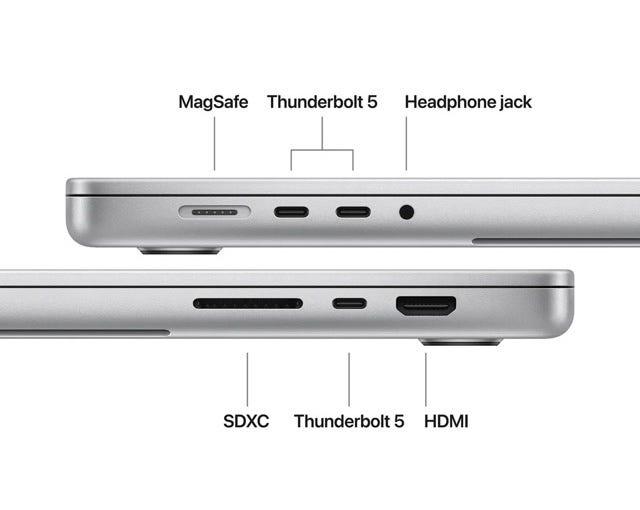
The professional models also include Thunderbolt 5, HDMI, an SDXC card slot, MagSafe charging, and a headphone jack.
The 14-inch M6 model has a different port configuration, including three Thunderbolt 4 ports.
These connections make the MacBook Pro useful for people who connect external displays, storage devices, cameras, and other professional equipment.
8. A Better Experience for AI and Creative Applications
Artificial intelligence is becoming an important part of modern computer software.
Apple is placing more emphasis on on-device AI processing through its M-series processors and Neural Engine technology.
The new MacBook Pro lineup is designed to support AI features across macOS and compatible applications.
Potential use cases include:
-
AI-powered image editing.
-
Local language-model applications.
-
Intelligent photo enhancement.
-
AI-assisted writing and productivity.
-
Automated creative workflows.
-
Software development tools that use AI.
On-device processing can be useful because some tasks can run directly on the computer rather than requiring every request to be sent to a remote server.
However, not every AI feature runs entirely on the laptop. Some services still depend on internet connectivity, cloud processing, language availability, and supported applications.
Users should also check which Apple Intelligence features are available in their region and preferred language.
9. How Much Does the New MacBook Pro Cost?
Apple has announced the following starting prices in the United States:
| Model | Announced US starting price |
|---|---|
| 14-inch MacBook Pro M6 | $1,999 |
| 14-inch MacBook Pro M5 Pro with PROLED XDR | $2,899 |
| 16-inch MacBook Pro M5 Pro with PROLED XDR | $3,399 |
| 14-inch MacBook Pro M5 Max with PROLED XDR | $4,499 |
| 16-inch MacBook Pro M5 Max with PROLED XDR | $4,799 |
These are starting prices. Upgrading memory, storage, and other configurations can increase the final price.
Apple announced pre-orders beginning October 28, 2026, with availability scheduled to begin November 6, 2026.
International pricing may differ because of taxes, import costs, currency exchange rates, and local retailer pricing.
If you are buying outside the United States, check the price from an authorized local retailer before making a decision.
10. Which New MacBook Pro Should You Buy?
The best model depends on your workload and budget.
Choose the 14-inch MacBook Pro M6 if:
-
You want a powerful laptop for everyday professional work.
-
You edit photos and videos occasionally or regularly.
-
You develop software.
-
You want strong performance in a portable design.
-
You do not specifically need the new touchscreen display or the higher-end M5 Max configuration.
Choose the M5 Pro model if:
-
You work professionally with video, photography, or design.
-
You need more memory for demanding applications.
-
You regularly multitask with resource-intensive software.
-
You want the new tandem OLED display and touchscreen.
Choose the M5 Max model if:
-
You work with advanced 3D rendering.
-
You edit demanding high-resolution video projects.
-
You run intensive creative or scientific applications.
-
You need the highest memory and graphics configurations available in this lineup.
For students and ordinary office users, a MacBook Pro may be more expensive than necessary. A MacBook Air could be a more sensible purchase if the additional professional features are not needed.
11. Is the New MacBook Pro Worth Upgrading To?
The answer depends on which MacBook you currently own.
If you use an Intel MacBook
The new MacBook Pro could offer a substantial improvement in performance, battery life, and access to newer Apple silicon features.
If you use an M1 MacBook Pro
The newer processors, additional AI capabilities, improved connectivity, and new display options may make upgrading attractive, especially if your current laptop struggles with demanding workloads.
If you use an M4 or M5 MacBook Pro
You may not need to upgrade immediately.
Your current laptop may already be powerful enough for most professional tasks. The new display and touchscreen could be compelling, but whether they justify the expense depends on your daily workflow.
Before upgrading, compare the improvements with the actual cost of replacing your current computer.
Frequently Asked Questions
What is the newest MacBook Pro in 2026?
Apple announced the 14-inch MacBook Pro with M6 on October 27, 2026, and redesigned 14-inch and 16-inch MacBook Pro models with M5 Pro and M5 Max processors on October 28, 2026.
Does the new MacBook Pro have a touchscreen?
Yes. The redesigned MacBook Pro with PROLED XDR introduces touchscreen support. The separately announced 14-inch M6 model retains its Liquid Retina XDR display and was not announced as a touchscreen model.
Does the new MacBook Pro use an OLED display?
The redesigned M5 Pro and M5 Max models introduce Apple's PROLED XDR display, based on tandem OLED technology. The 14-inch M6 model uses Liquid Retina XDR.
How long does the new MacBook Pro battery last?
Apple advertises up to 24 hours for the new models. Actual battery life varies depending on the configuration, applications, screen brightness, and workload.
Is the M6 MacBook Pro better than M5 Pro?
They are designed for different positions in the lineup. The M6 is the newer standard chip, while M5 Pro is designed for more demanding professional workloads. The best option depends on the applications you use, memory requirements, and total system configuration.
Is the new MacBook Pro good for video editing?
Yes. The M-series processors, professional graphics capabilities, high-quality displays, and media engines make the MacBook Pro lineup suitable for many video editing workflows. Choose the processor, memory, and storage configuration based on your project requirements.
When will the new MacBook Pro be available?
Apple announced that the new models would begin arriving to customers and appearing in Apple Store locations and authorized resellers on November 6, 2026.
Conclusion
Apple's October 2026 MacBook Pro announcements bring meaningful changes to its laptop lineup.
The 14-inch M6 model offers a new processor, improved graphics, additional AI capabilities, and up to 24 hours of advertised battery life. The redesigned M5 Pro and M5 Max models introduce an even bigger change with tandem OLED display technology and touchscreen support.
For professionals who work with demanding creative applications, the redesigned models offer interesting new capabilities. For students, developers, and everyday users, the M6 version may provide a more balanced combination of performance and portability.
However, the most expensive MacBook is not automatically the best choice.
The right MacBook Pro is the one that gives you the performance, display, memory, and storage you actually need without paying for features you will rarely use.
Sources and Further Reading
-
Apple's official announcement: 14-inch MacBook Pro with M6
-
Apple's official announcement: MacBook Pro with PROLED XDR Display
-
Apple's official specifications: 16-inch MacBook Pro with M5 Pro and M5 Max
-
Apple's MacBook Pro product information: Apple MacBook Pro
Note: Performance and battery-life figures attributed to Apple are manufacturer claims. Independent testing and real-world results may differ.

The conversation (0)
Different perspectives make better conversations. Keep it thoughtful.
Be the first to share a perspective.