
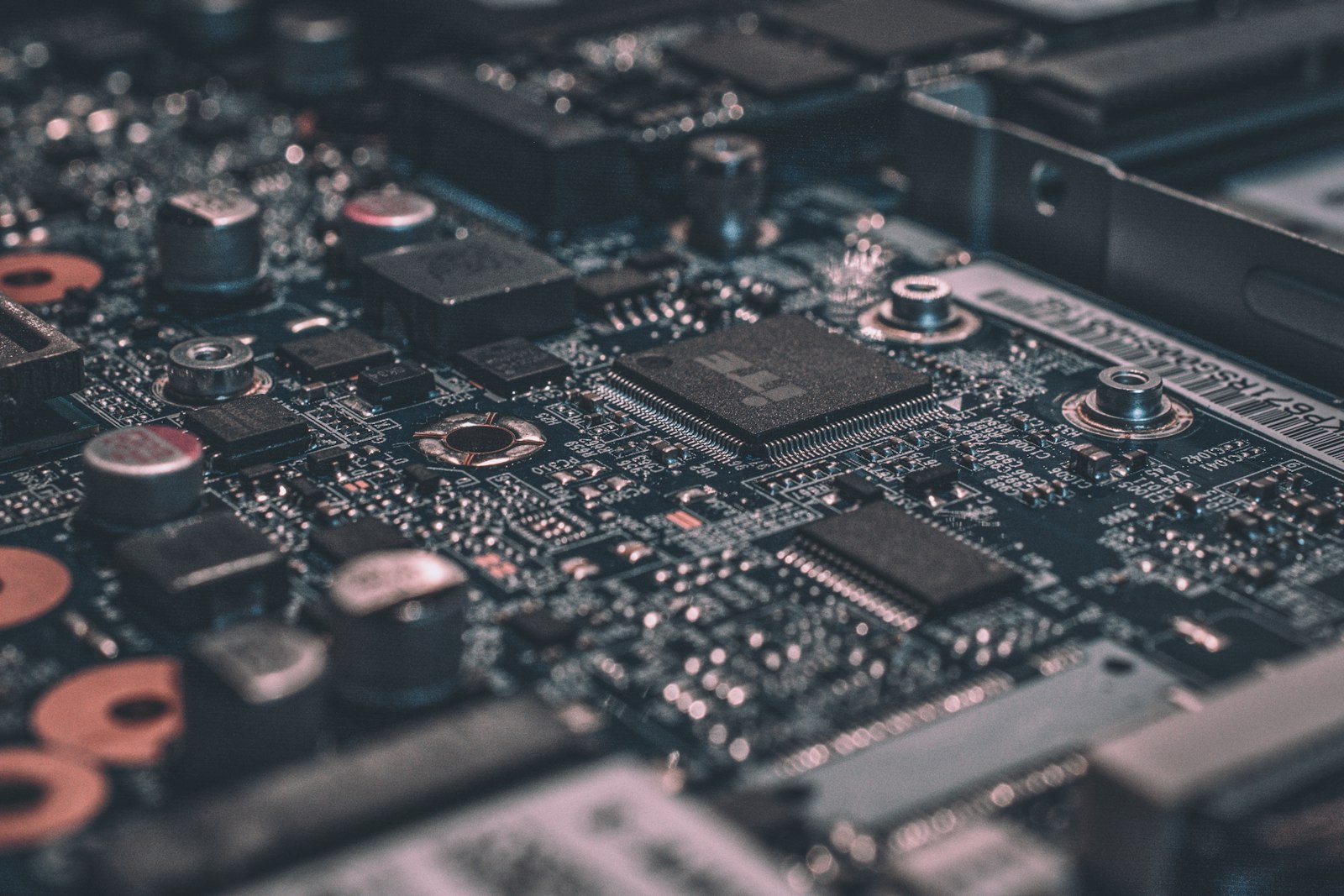
Artificial intelligence is moving beyond the data center. Smaller models and specialized processors are bringing useful capabilities onto everyday devices, changing both the experience and the privacy questions we need to ask.
The big picture
Your next assistant might not need to send your life to the cloud. Looking past the headlines means asking how these changes will affect the things we do every day, and which compromises are worth making.
Intelligence closer to home
There is no single choice that works for everyone. The useful question is whether a feature solves a problem you actually have, rather than adding another setting to manage.
“The most meaningful technology is the kind that gives something back: time, attention, or control.”
What changes day to day
Here are three details worth looking at before making your next decision:
- Local inference can reduce the need to upload sensitive information.
- Specialized processors perform certain tasks more efficiently.
- Offline capabilities make assistants more useful when connectivity is unreliable.
A practical starting point
Take an inventory of your current setup. Notice the moments that feel slow, confusing, or distracting, and compare alternatives against those specific needs.
Questions to ask
- Does this improve something I do regularly?
- What happens to my data, and can I take it with me?
- Will this still be useful a year from now?

Watch the perspective
The useful view is the ordinary one: how this shows up on a Tuesday afternoon, not only on a keynote stage.
The takeaway
Local AI is not automatically private or accurate. Check what a feature sends to the cloud, how it stores information, and whether you can turn it off.
Stay curious, be deliberate, and remember that a better experience matters more than being first.


The conversation (0)
Different perspectives make better conversations. Keep it thoughtful.
Be the first to share a perspective.