
When Will Humans Go to Mars? The Technology and Challenges Behind Humanity's Next Giant Leap
For generations, humans have looked at Mars a
nd wondered whether one day we could walk on its surface.
Today, that dream is closer to becoming a serious engineering goal than ever before. Space agencies and private companies are developing powerful rockets, spacecraft, life-support systems, and technologies that could eventually allow astronauts to travel to the Red Planet.
But getting humans to Mars is not simply about building a bigger rocket.
Astronauts would need to survive a journey lasting many months, land safely on another planet, produce essential resources, protect themselves from dangerous radiation, and eventually find a way to return home.
Companies such as SpaceX and organizations such as NASA are working toward different parts of this challenge.
So, when will humans actually reach Mars? What technology will take them there? And what would life look like on another planet?
Let's explore how humanity is preparing for one of its most ambitious missions.
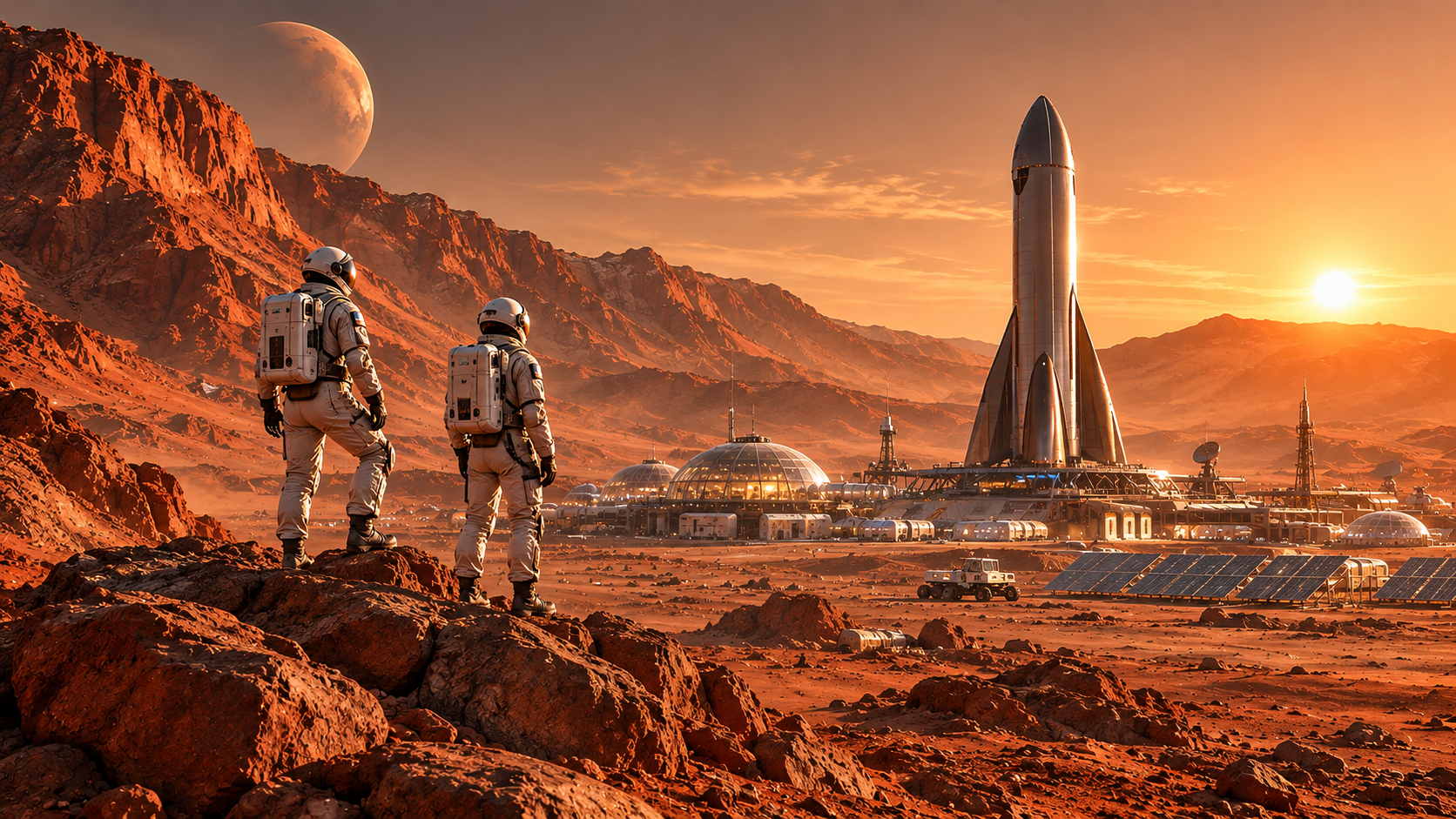
[COVER IMAGE — HUMANITY ON MARS]
Why Do Humans Want to Go to Mars?
Mars is one of the most interesting destinations in our solar system.
It is relatively close to Earth compared with other planets, has a day lasting approximately 24 hours and 37 minutes, and preserves geological evidence that could help scientists understand how planets evolve.
Scientists also want to investigate whether Mars once supported microbial life.
Billions of years ago, the planet had environments that were more suitable for liquid water on its surface than they are today. Robotic missions have discovered evidence of ancient lakes, river channels, and minerals associated with water.
Understanding Mars could help answer important questions:
-
Did microbial life ever exist beyond Earth?
-
What happened to the planet's ancient water?
-
Could humans survive on another planet?
-
What resources could future explorers use?
-
How can humans prepare for longer journeys into space?
NASA considers Mars a major destination for future human exploration because discoveries there could change our understanding of life and the history of our solar system.
The mission is not simply about planting a flag. It is about learning how humans might explore and work on another world.
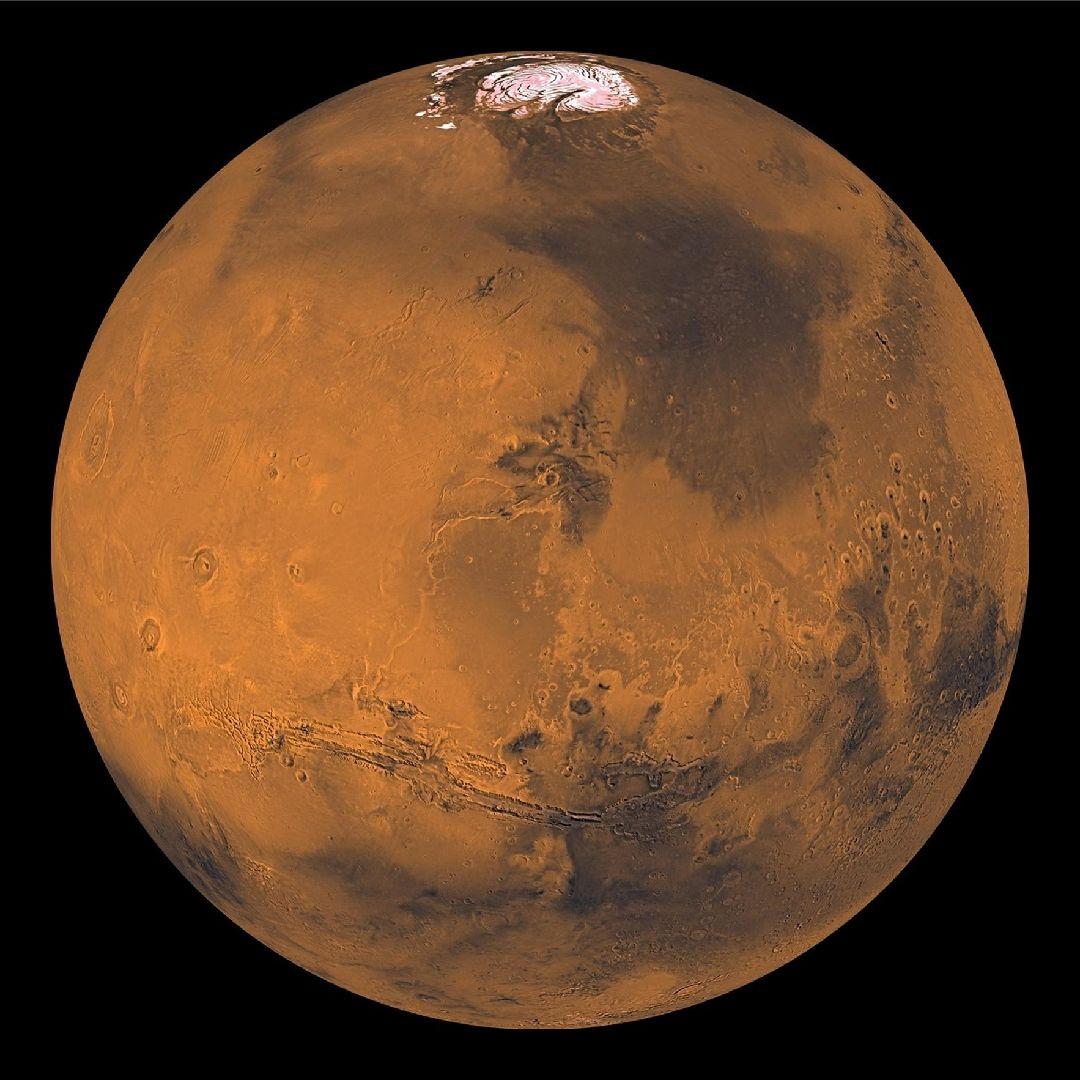
Suggested image: A high-resolution view of Mars from orbit showing its red surface, polar regions, and geological features. Prefer an authentic NASA image.
When Will Humans Actually Travel to Mars?
This is probably the biggest question.
The honest answer is that there is currently no confirmed date for the first human landing on Mars.
NASA has identified human exploration of Mars as a long-term objective, with missions potentially taking place in the 2030s or later. However, that is an exploration goal, not a guaranteed launch or landing date.
NASA is developing its Moon-to-Mars exploration architecture, using missions around the Moon to help develop and test technologies needed for more distant human exploration.
SpaceX is also developing Starship, a reusable spacecraft designed for missions to the Moon and Mars.
However, Starship still needs to demonstrate several critical capabilities before it can support a complete Mars mission, including reliable long-duration operations and transferring propellant in orbit.
SpaceX's published plans describe uncrewed cargo missions to Mars no earlier than 2028. That should not be confused with a confirmed date for sending astronauts.
The distinction matters: reaching orbit around Earth, reaching the Moon, and safely transporting people to the surface of Mars are very different engineering challenges.
For now, the first human landing remains a future milestone rather than an established schedule.
NASA vs. SpaceX: Who Will Take Humans to Mars?
Two major players are helping shape humanity's future in space.
NASA: Building the Road to Mars
NASA has spent decades developing technologies for human spaceflight.
Its approach includes testing spacecraft, developing life-support systems, studying the effects of long-duration space travel, and using the Moon as a stepping stone toward Mars.
The Artemis program is an important part of this strategy.
By sending astronauts on missions around and eventually onto the Moon, NASA and its partners can test systems and operational procedures needed for more distant exploration.
NASA is also studying technologies for:
-
Advanced propulsion and spacecraft systems.
-
Radiation protection.
-
Oxygen production.
-
Water recycling.
-
Long-duration habitats.
-
Communication over interplanetary distances.
The agency's goal is to build the knowledge and infrastructure needed to make human Mars exploration possible.
SpaceX: Building Starship
SpaceX is developing Starship, a fully reusable transportation system designed for missions beyond Earth orbit.
One of its most important proposed advantages is its ability to carry large amounts of cargo and eventually transport crews to distant destinations.
A particularly important part of the design is orbital refueling.
Instead of carrying all the fuel needed for a Mars journey during the initial launch, Starship is designed to receive additional propellant from tanker spacecraft in Earth orbit.
This is important because reaching Mars requires a significant amount of energy and fuel.
SpaceX's long-term vision includes sending cargo ahead of human missions, preparing infrastructure, and eventually establishing a permanent human presence.
However, the technology still has major milestones to overcome before those ambitions become operational.
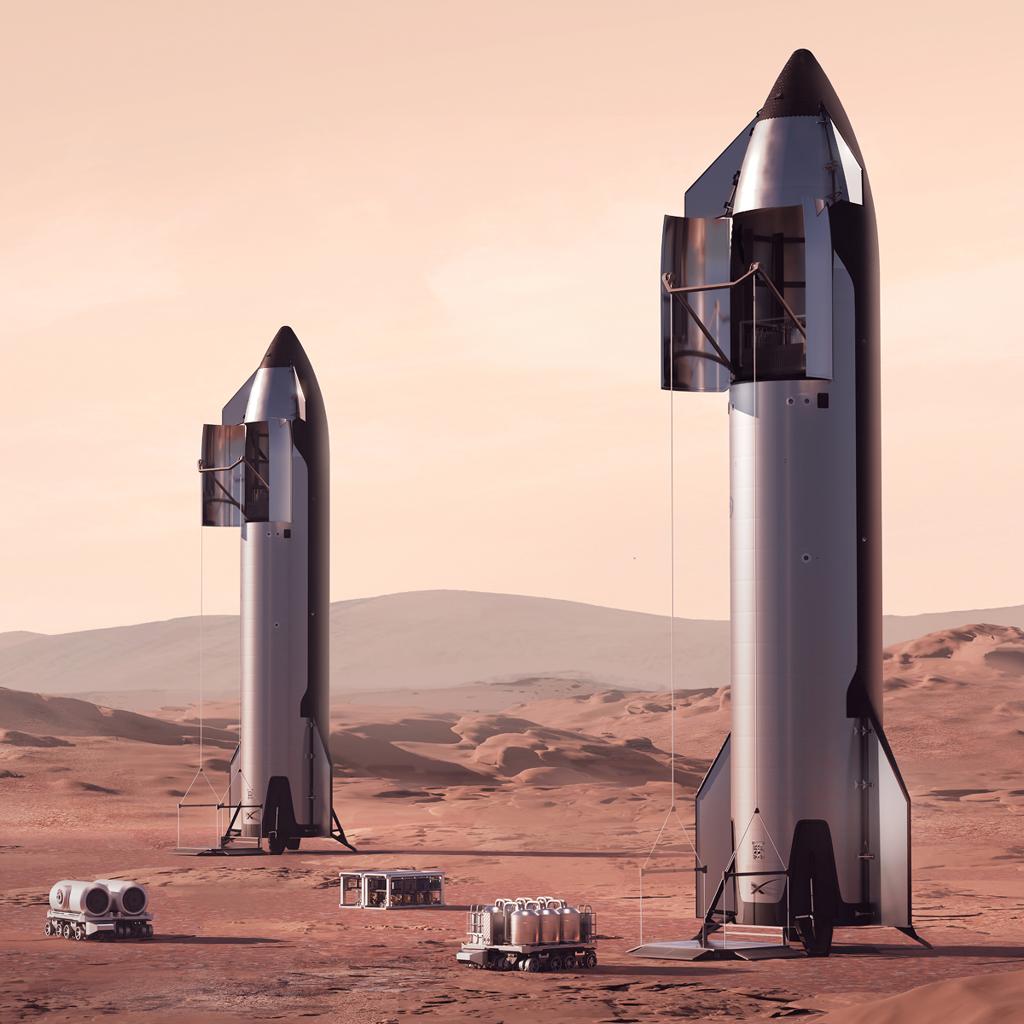
Suggested image: A comparison visual featuring NASA's Mars exploration concepts alongside SpaceX Starship. Use official images and clearly identify each spacecraft.
The Biggest Challenges of Traveling to Mars
Sending astronauts to Mars is one of the most complicated engineering challenges humanity has ever attempted.
There are several major obstacles that must be solved before people can safely make the journey.
1. The Distance Between Earth and Mars
Mars is not always the same distance from Earth because both planets move around the Sun.
Their separation changes throughout their orbits, making mission planning extremely important.
Spacecraft cannot simply launch whenever they want and travel directly toward Mars.
Instead, engineers look for suitable launch windows when the positions of Earth and Mars make the journey more efficient.
These favorable opportunities occur approximately every 26 months.
This means missing a launch window can significantly delay a mission.
2. Radiation in Deep Space
One of the biggest dangers astronauts will face is radiation.
On Earth, our atmosphere and magnetic field provide significant protection from harmful space radiation.
During a journey to Mars, astronauts will spend extended periods outside much of this natural protection.
They may be exposed to:
-
Galactic cosmic rays.
-
Solar energetic particles.
-
Radiation from major solar events.
Long-term exposure can increase the risk of cancer and damage to the nervous system and other tissues.
NASA studies radiation protection as one of its major human-spaceflight challenges.
Future spacecraft will need suitable shielding, monitoring systems, and emergency procedures to protect their crews.
3. Landing on Mars Is Extremely Difficult
Getting to Mars is only half the challenge.
Landing safely is another major problem.
Mars has an atmosphere, but it is much thinner than Earth's. This makes it difficult for spacecraft to slow down using parachutes alone, particularly when carrying heavy equipment or people.
A human-sized lander would need to survive atmospheric entry, reduce its speed, and reach the surface without damaging its crew or equipment.
The landing system must also handle the planet's surface conditions, including dust and uneven terrain.
This is one reason why robotic missions are so important: they help engineers understand the environment before sending people.
4. Keeping Astronauts Alive for Months
Astronauts cannot depend on regular supply deliveries from Earth.
They will need reliable systems for:
-
Producing breathable oxygen.
-
Recycling water.
-
Managing waste.
-
Growing or storing food.
-
Controlling temperature.
-
Maintaining pressure inside habitats.
NASA has already demonstrated some relevant technologies.
For example, the MOXIE experiment aboard the Perseverance rover demonstrated the production of oxygen from carbon dioxide in the Martian atmosphere.
This was an important technology demonstration, although producing enough oxygen for a human mission would require much larger and more capable systems.
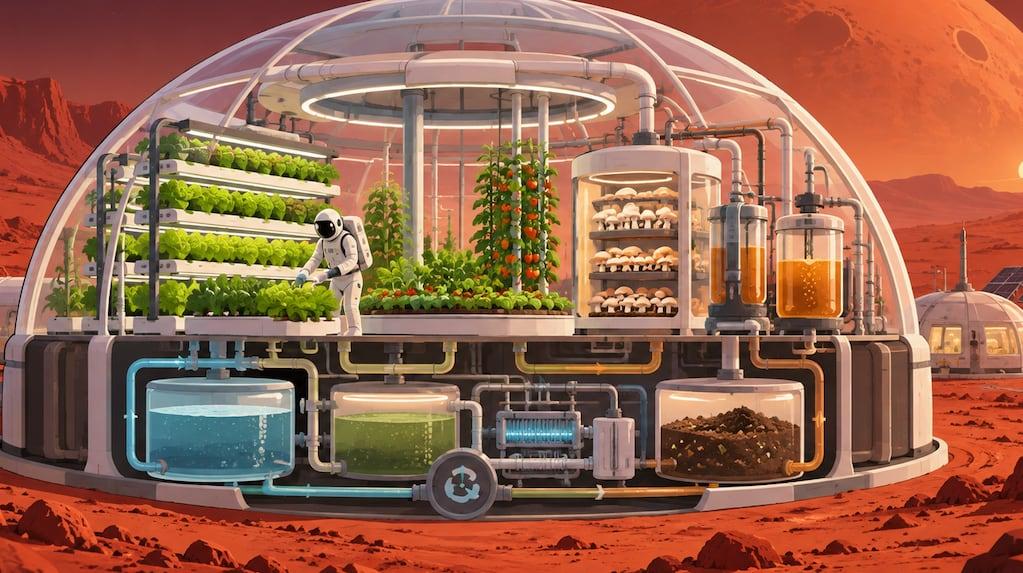
Suggested image: An astronaut inside a pressurized Mars habitat with oxygen systems, water recycling equipment, and food-growing facilities.
5. Communication Delays
On Earth, communication between people can happen almost instantly.
Mars is different.
Because of the distance between the planets, radio signals take several minutes to travel in either direction, depending on their positions.
This means astronauts cannot depend on immediate instructions from mission control.
They will need to make decisions independently, solve problems, and operate equipment without waiting for a response from Earth.
Future Mars crews must be highly trained and capable of handling emergencies with limited assistance.
6. The Psychological Challenge
Imagine living inside a spacecraft for months, surrounded by the same small group of people, with no opportunity to return home quickly.
Astronauts will face isolation, confinement, stress, and limited privacy.
NASA identifies these factors as major hazards of human spaceflight.
The psychological demands of a Mars mission could be very different from those experienced on shorter missions around Earth.
Choosing the right crew and preparing them for long periods of isolation will be just as important as developing the spacecraft.
What Would Life on Mars Actually Look Like?
Imagine waking up in a small habitat on Mars.
Outside your window, you see a reddish landscape stretching toward the horizon. The sky looks different from Earth's, the atmosphere is extremely thin, and the temperature can be dangerously cold.
You cannot simply walk outside.
You must wear a pressurized spacesuit designed to protect you from the environment.
Inside the habitat, astronauts would need a carefully controlled atmosphere, reliable electricity, water recycling, food supplies, and equipment for communication and research.
Future explorers may also use pressurized rovers to travel across the surface.
Their daily responsibilities could include:
-
Collecting geological samples.
-
Studying the Martian environment.
-
Maintaining life-support equipment.
-
Testing oxygen-production systems.
-
Searching for evidence of ancient microbial life.
-
Preparing infrastructure for future missions.
Living on Mars would require much more than simply transporting people there. It would mean creating a safe and sustainable environment in one of the most hostile places humans have ever attempted to inhabit.
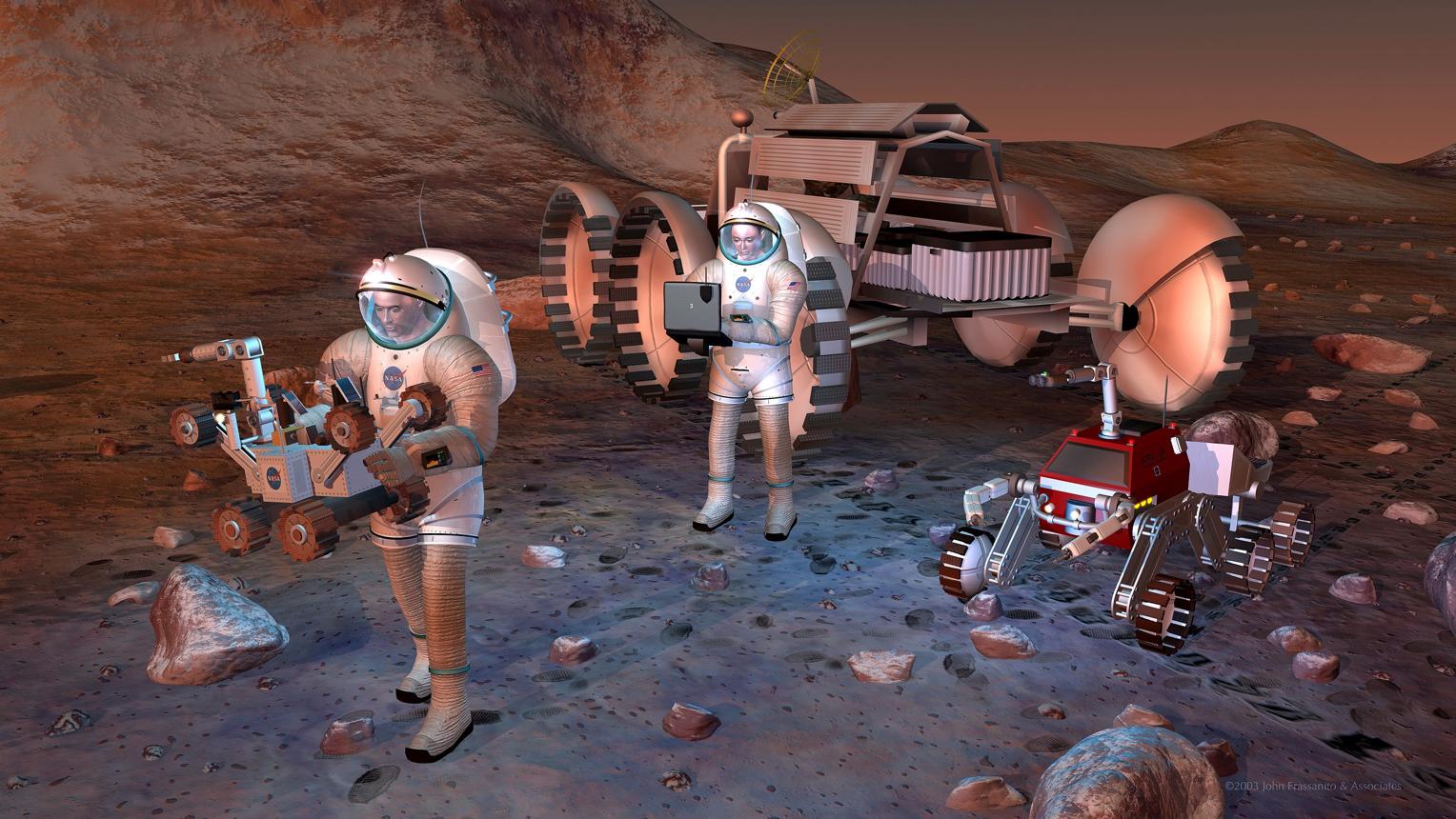
Suggested image: A realistic concept illustration of a small research settlement on Mars, including pressurized habitats, solar panels, a rover, and astronauts in spacesuits.
Could Humans Eventually Build a City on Mars?
Some people imagine a future where thousands or even millions of humans live on Mars.
SpaceX has publicly described a long-term ambition to establish a self-sufficient city on the planet.
However, building a permanent settlement is much more difficult than completing a single successful landing.
A sustainable settlement would need:
Reliable energy: Solar panels could provide electricity, but dust storms and changing sunlight make energy storage and alternative power sources important.
Water resources: Future explorers would need to locate accessible water ice and develop systems to extract and purify it.
Food production: Growing food locally could reduce dependence on shipments from Earth, but agriculture would require controlled environments and carefully managed resources.
Manufacturing: A permanent settlement would eventually need to produce equipment, spare parts, building materials, and other essential supplies.
Medical support: Astronauts would need ways to manage injuries, illness, and emergencies far from Earth's hospitals.
Transportation: Reliable spacecraft and surface vehicles would be essential for moving people and supplies.
Even with significant technological progress, a self-sufficient Mars city remains a long-term vision, not something that can be achieved simply by landing the first astronauts.
Could Humans Return From Mars?
A successful Mars mission must include a way to bring astronauts home.
This is a major engineering challenge because launching from Mars requires a spacecraft, fuel, and a carefully planned return journey.
One proposed approach is to produce some of the required propellant using resources available on Mars.
For example, the planet's atmosphere contains large amounts of carbon dioxide. With suitable technology and access to other required resources, future systems could potentially produce methane and oxygen for rocket propulsion.
This is one of the reasons why producing fuel on Mars is an important part of some future mission concepts.
However, the technology must be demonstrated at a scale suitable for human missions before astronauts can rely on it.
A return vehicle would also need to be ready and operational before the crew commits to a mission that depends on it.
What Happens Before the First Human Landing?
Before astronauts can land on Mars, several important milestones must be achieved.
-
More robotic exploration: Uncrewed spacecraft will continue studying the planet and identifying suitable landing locations.
-
Reliable deep-space transportation: Spacecraft must demonstrate that they can operate safely beyond Earth's orbit.
-
Orbital refueling: Systems must demonstrate that large spacecraft can receive fuel in space.
-
Advanced landing technology: Engineers must develop safe ways to land heavy spacecraft on Mars.
-
Long-duration life support: Oxygen, water, food, and environmental systems must work reliably.
-
Human safety testing: Space agencies must better understand radiation, isolation, and the effects of long missions on the human body.
-
Return capability: A complete mission must include a reliable plan for bringing astronauts home.
Every one of these steps is important.
A successful robotic mission does not automatically mean humans are ready to follow.
Frequently Asked Questions
When will the first humans land on Mars?
There is no confirmed date. NASA is working toward human Mars exploration as a long-term goal, potentially in the 2030s or later. The timeline depends on major technological and safety milestones.
How long does it take to travel to Mars?
A typical planned journey using current chemical propulsion concepts can take approximately six to nine months, depending on the spacecraft, trajectory, and mission design.
Can humans breathe on Mars?
Not without life-support equipment. Mars has a very thin atmosphere made primarily of carbon dioxide, so astronauts would need pressurized habitats and oxygen supplies or production systems.
Is Mars suitable for human life?
Mars is extremely hostile to humans without technology. Its thin atmosphere, low temperatures, radiation environment, and lack of readily breathable oxygen make protective habitats and spacesuits essential.
Will SpaceX send humans to Mars?
SpaceX is developing Starship with the long-term goal of transporting humans and cargo to Mars. However, a successful crewed Mars mission has not yet been demonstrated, and no confirmed human landing date exists.
Why do scientists want to explore Mars?
Scientists want to understand the planet's geological history, investigate whether it ever supported microbial life, and learn more about the possibility of human exploration beyond Earth.
Conclusion: Is Humanity Ready for Mars?
Humanity has already achieved remarkable things in space exploration, from landing robotic vehicles on Mars to building and operating the International Space Station.
But sending people to another planet is a completely different challenge.
The journey will require powerful spacecraft, reliable life-support systems, radiation protection, advanced landing technology, and a safe return plan.
NASA and SpaceX are developing different parts of the technology needed to make this possible, but important engineering challenges remain.
The first human landing on Mars may still be years away. Nevertheless, the work being done today is bringing that possibility closer.
One day, humans may look at Earth from the surface of another planet and realize that something once considered science fiction has become reality.
The journey to Mars is not just about reaching another planet. It is about discovering how far humanity can go.
Further Reading
This article discusses future mission plans and technology under development. Mission timelines are subject to change, and proposed capabilities should not be confused with demonstrated operational systems.


The conversation (0)
Different perspectives make better conversations. Keep it thoughtful.
Be the first to share a perspective.